How to Stop Cold Air Coming In Under Your Front Door
A draft under the front door is nearly always a worn door sweep, a threshold set too low, or a door that has dropped on its hinges. Here is how to find which one it is, what you can fix in an afternoon, and when the frame is the real problem.
· BH Door Solutions
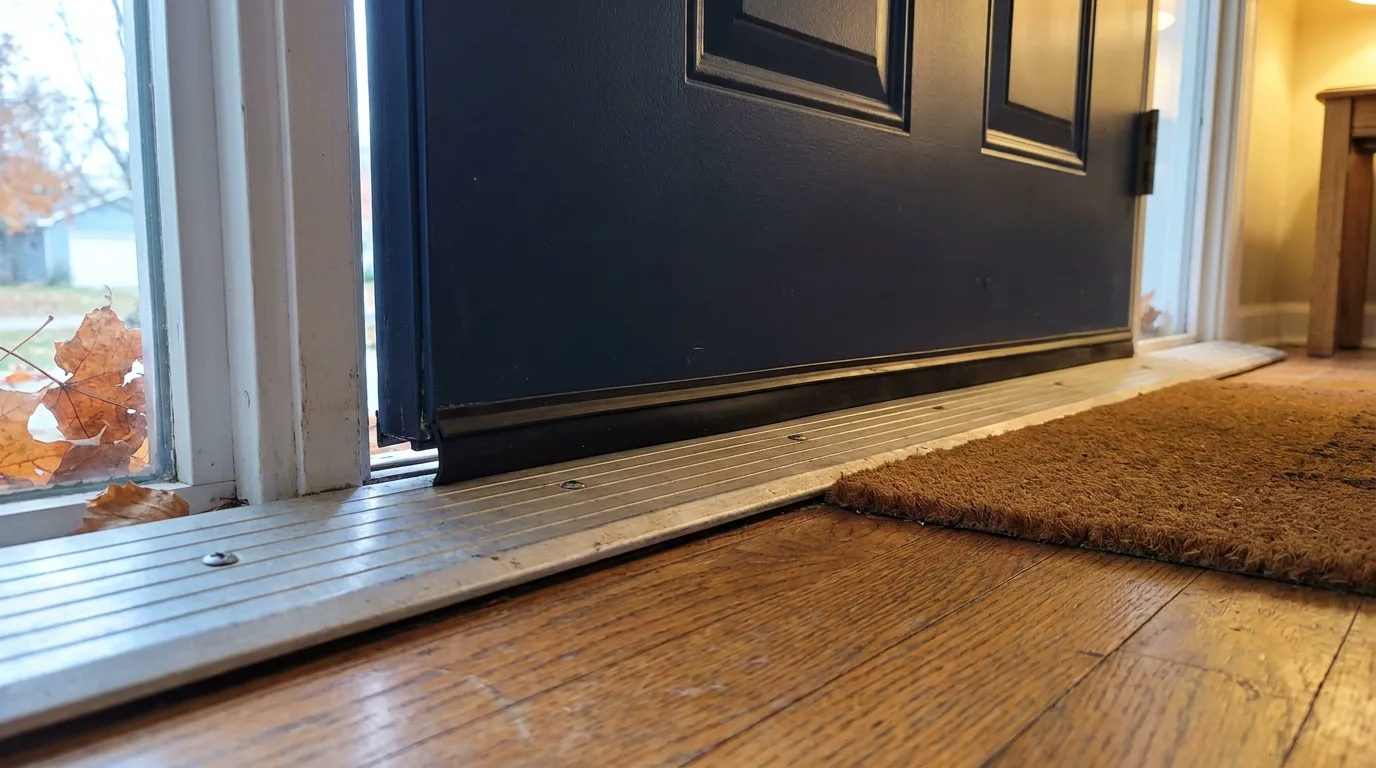
To stop cold air coming in under a front door, find out which of three things has failed: the door sweep on the bottom of the door, the threshold it closes against, or the door itself, which may have dropped on its hinges. In most Metro Detroit homes the fix is to raise an adjustable threshold a quarter turn at a time or to replace a worn sweep, and both are afternoon jobs. If the gap is wider at one end than the other, or the wood under the door is soft, a new seal will not hold and the frame needs attention first. October is the month to check: the first freeze usually reaches Wayne, Oakland and Macomb counties in the second half of the month, and DTE Gas base rates went up in mid-September after a Michigan Public Service Commission order dated September 10, 2026, so heat lost under a door costs more this winter than it did last winter.
Find exactly where the air is getting in
Do not buy anything until you know where the leak is. A draft you feel at your ankles can come from under the door, from the two bottom corners, or from the latch side of the frame, and each has a different fix.
Wait for a windy evening and run the back of your hand slowly along the bottom of the closed door, then up both sides. A stick of incense or a strip of tissue held near the gap shows the same thing more clearly. After dark, have someone shine a flashlight along the bottom of the door from outside while you look from inside with the hall light off. Any line of light is a line of cold air.
Then do the paper test. Open the door, lay a strip of paper across the threshold, and close the door on it. If the paper slides out with no drag, the sweep is not touching the threshold at that spot. Repeat it at the hinge side, the middle and the latch side. Drag at one end and none at the other tells you the gap is wedge shaped, which matters later.
- Light or air along the whole bottom edge: sweep worn out or threshold set too low
- Light only at the two bottom corners: the corner pads are missing or crushed
- Tight at one end, open at the other: the door has dropped or the frame is out of square
- Soft, dark or crumbling wood at the sill: water damage, not a sealing problem
Raise the adjustable threshold first
Most steel and fiberglass entry doors fitted in the last thirty years close against an adjustable threshold. Look for a wood or composite strip running along the top of the sill with three or four round plugs or screw heads in it. Those screws raise and lower the strip.
Pop the plugs if there are any, and turn each screw counterclockwise a quarter turn to lift the strip. Work along all the screws evenly, close the door, and repeat the paper test. Stop when the paper pulls out with light, even drag along the full width.
Do not overdo it. A threshold set too high makes the door hard to latch, grinds the sweep away in one winter, and can leave the deadbolt out of line with its strike. If the screws are stripped, rusted solid or the strip is cracked, the threshold cap needs replacing, not adjusting.
Replace a worn door sweep
If the threshold is already as high as it will go, or the rubber fins on the bottom of the door are torn, flattened or hard, the sweep is finished. Road salt, grit and a few Michigan winters are enough to do it. Sweeps come in three main kinds, and you need the one that matches your door.
Take the old one to the store with you, or a clear photo of the door bottom and the door width. A kerf sweep usually means lifting the door off its hinges, which is a two-person job with a heavy entry door. Cut the new sweep to length, fit it, rehang the door, and reset the threshold so the fins just compress.
Older houses in Detroit, Dearborn and Royal Oak often have something different: an aluminum saddle threshold with a vinyl bulb down the middle, and a plain wood door above it. The vinyl insert pulls out and a new one presses in. If the aluminum is bent or the insert size is no longer sold, the threshold itself is due for replacement.
- Kerf sweep: pushes into two slots cut in the bottom of a steel or fiberglass door
- Wrap-around sweep: a U-shaped channel that slides over the door bottom and screws to the inside face
- Surface strip: screws to the inside face of a wood door and brushes the threshold
- Vinyl bulb insert: sits in the threshold, not on the door, on many older wood doors
Check the corners and the hinges
The two bottom corners are where a sweep and the side weatherstripping meet, and they rarely meet perfectly. Factory doors have a small foam wedge, called a corner pad, stuck to the jamb at each bottom corner to plug that spot. They get kicked off, painted over or crushed flat. New ones are self-adhesive and take a minute to fit.
If the paper test was tight at one end and loose at the other, look at the hinges before the seals. Open the door and lift gently on the handle. Movement at the top hinge means loose screws. Tighten them, and if they spin without gripping, replace one screw in the top hinge on the jamb side with a three-inch screw that reaches the framing behind the jamb. That often pulls a dropped door back up and closes the gap on its own.
A storm door in front of the entry door adds a second layer of still air in winter and takes the wind off the main seals. It does not fix a failed sweep, but it makes a sound one work better. Our storm door installation page covers what suits a Michigan entry.
When a new seal will not fix it
Some drafts are not sealing problems. Freeze-thaw cycles, snowmelt and wind-driven rain work on the bottom of a door frame for years, and what they leave behind cannot be solved with rubber.
A wedge-shaped gap that stays after the hinges are tight means the frame has moved out of square. A sweep can only bridge an even gap, so new weatherstripping helps a little and then fails again. Soft or stained wood at the sill or the bottom of the jambs means water has been getting in, and the rot will keep travelling. A door that has warped so one corner stands off the stop will leak whatever you fit to it.
In those cases the order matters: make the frame sound and square, then seal it. That is door frame repair, and it is usually a smaller job than people expect when it is caught before winter. A door that sticks, sags or will not latch as well as letting in air is a door repair visit. Our guide to whether to repair or replace a door frame explains how we decide.
- The gap is wider at one end even with the hinges tight
- Wood at the sill or jamb bottoms is soft, dark or flaking
- Daylight still shows at a corner after new pads and a new sweep
- The door rubs at the top and gaps at the bottom, or the deadbolt no longer lines up
- The threshold rocks, is cracked, or water stains the floor inside after rain
Get it done before the first hard freeze
Rubber and vinyl stiffen in the cold, adhesive pads do not bond well below about 40 degrees, and nobody wants a front door off its hinges in January. A frost advisory was already issued north of I-69 on October 6, so the window for an easy fix in Metro Detroit is the next couple of weeks.
What a repair costs depends on what the paper test finds: a sweep or a threshold cap is a short visit, a frame that has to be squared or a rotted sill is more work, and the door material and the age of the house both change the parts involved. We do not publish prices on this site because every opening is different. Call (313) 236-4558 for a price on your job.
We fix drafty, sagging and sticking doors across Wayne, Oakland and Macomb counties, including Detroit, Royal Oak, Troy, Warren, Dearborn and Southfield. Call (313) 236-4558, Sunday to Thursday 9am to 5pm and Friday 9am to noon, or contact us and we will call you back.
Door Repair questions we get asked
Why do I only feel a draft under my front door in winter?
Two things change. Rubber and vinyl seals shrink and stiffen in the cold, so a sweep that touched the threshold in September can stand clear of it in January. And a heated house pulls outside air in at its lowest openings as warm air rises and leaves higher up, so a small gap under the door moves far more air in winter than in summer.
Can I adjust a front door threshold myself?
Usually, yes, if it is the adjustable kind with screws along the top. Turn each screw a quarter turn at a time, keep them even, and stop as soon as a strip of paper closed in the door pulls out with light drag. If the screws are seized or the door becomes hard to latch, stop there.
Does a gap under the door mean I need a new front door?
Rarely. Most gaps are a worn sweep, a low threshold or loose hinges, and the door itself is fine. A new door becomes the sensible choice when the slab is warped, the frame is rotted through, or the door is an old uninsulated one that leaks in several places at once.
Is a draft stopper or a rolled towel good enough?
It works for a night and it is better than nothing, but it has to be moved every time the door opens and it does nothing for the corners. Treat it as a stopgap until the sweep or the threshold is sorted out.
What decides the cost of fixing a drafty front door?
Which part has failed, the door material, and the condition of the frame. A sweep or threshold cap is a short visit; a frame that is out of square or a rotted sill is more work. We do not publish prices because every opening is different. Call (313) 236-4558 for a price on your job.
Services covered in this guide
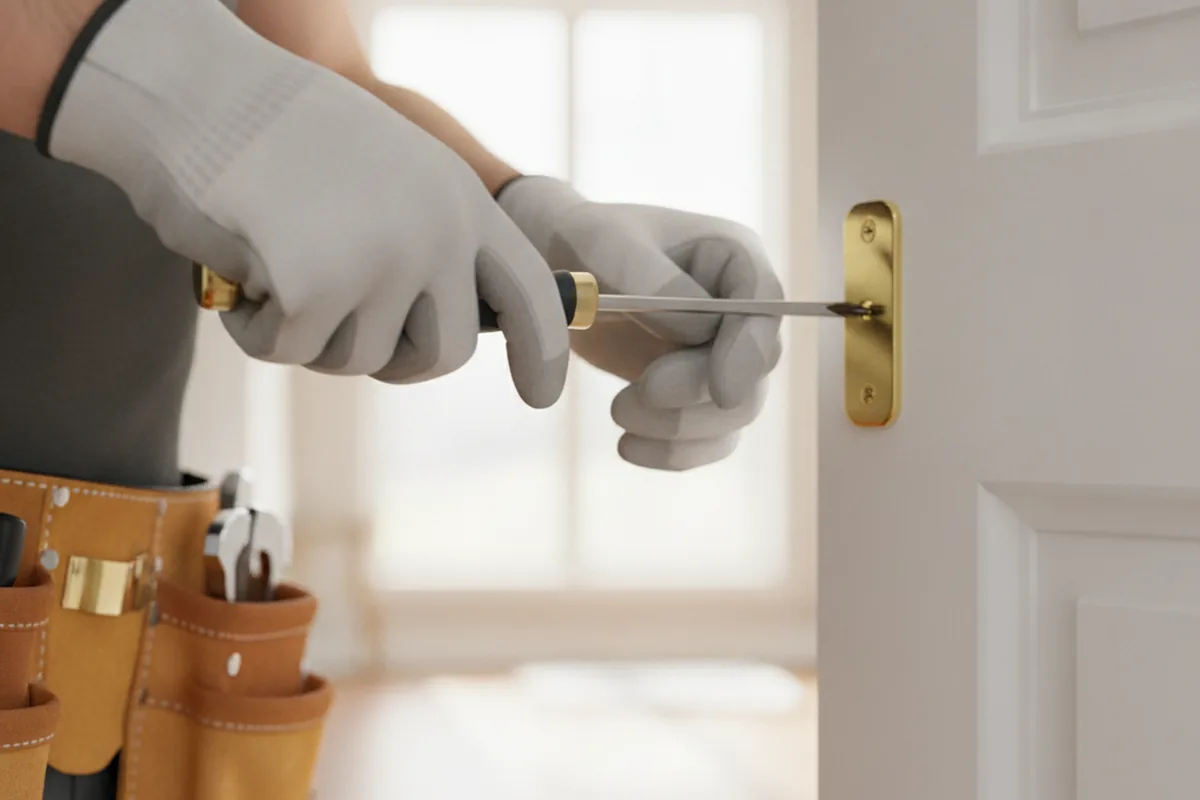
Door Repair
Sticking, drafty, or won't latch? We fix doors right the first time, with same-day service across Metro Detroit Sun–Thu whenever the schedule allows.
Learn more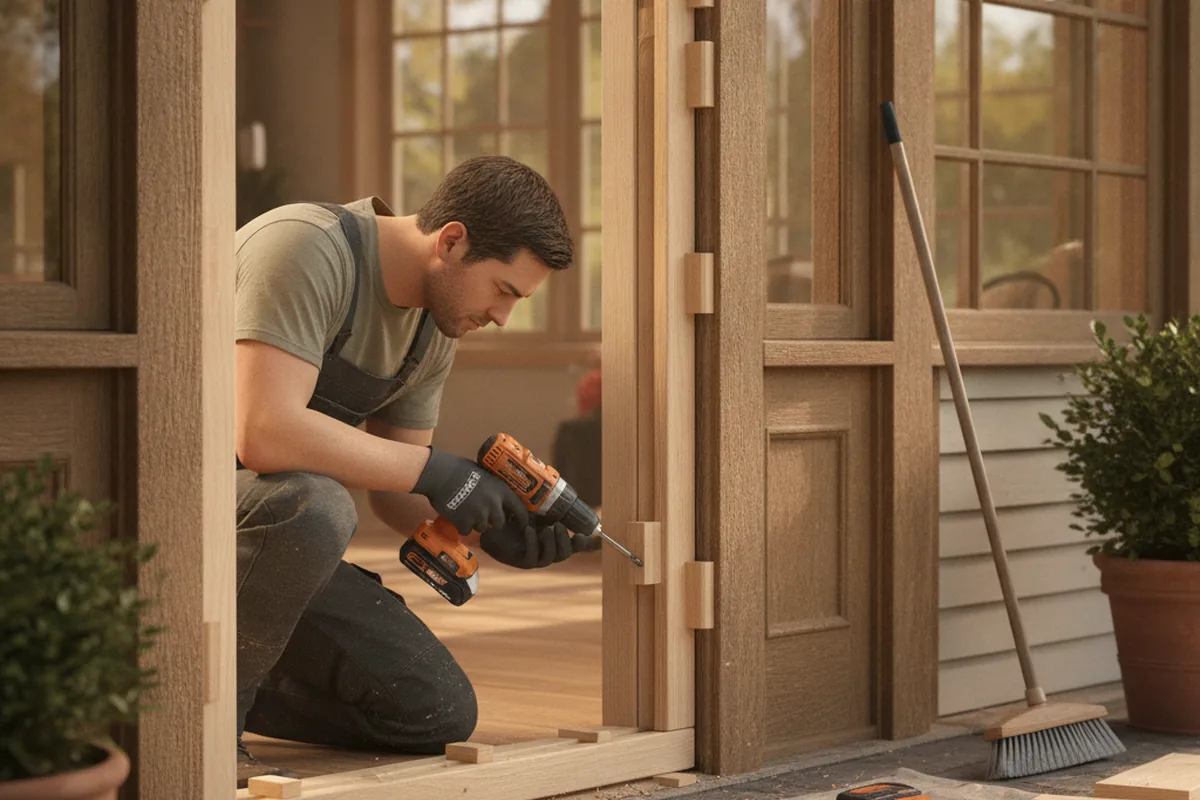
Door Frame & Jamb Repair
Split, rotted, or kicked in? We rebuild door frames and jambs solid and weathertight, with same-day service across Metro Detroit when the schedule allows.
Learn more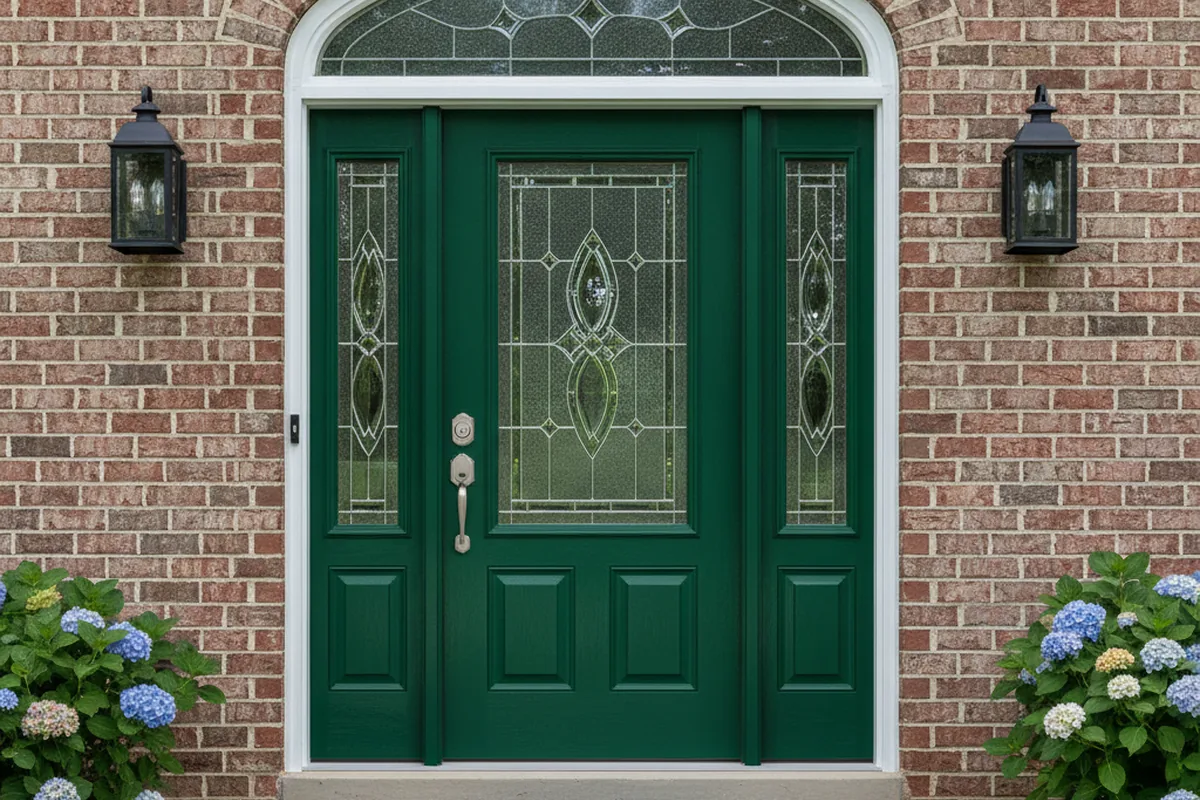
Entry & Front Doors
Your front door is the first thing guests see and your last line of defense against a Michigan winter—let's make it count.
Learn more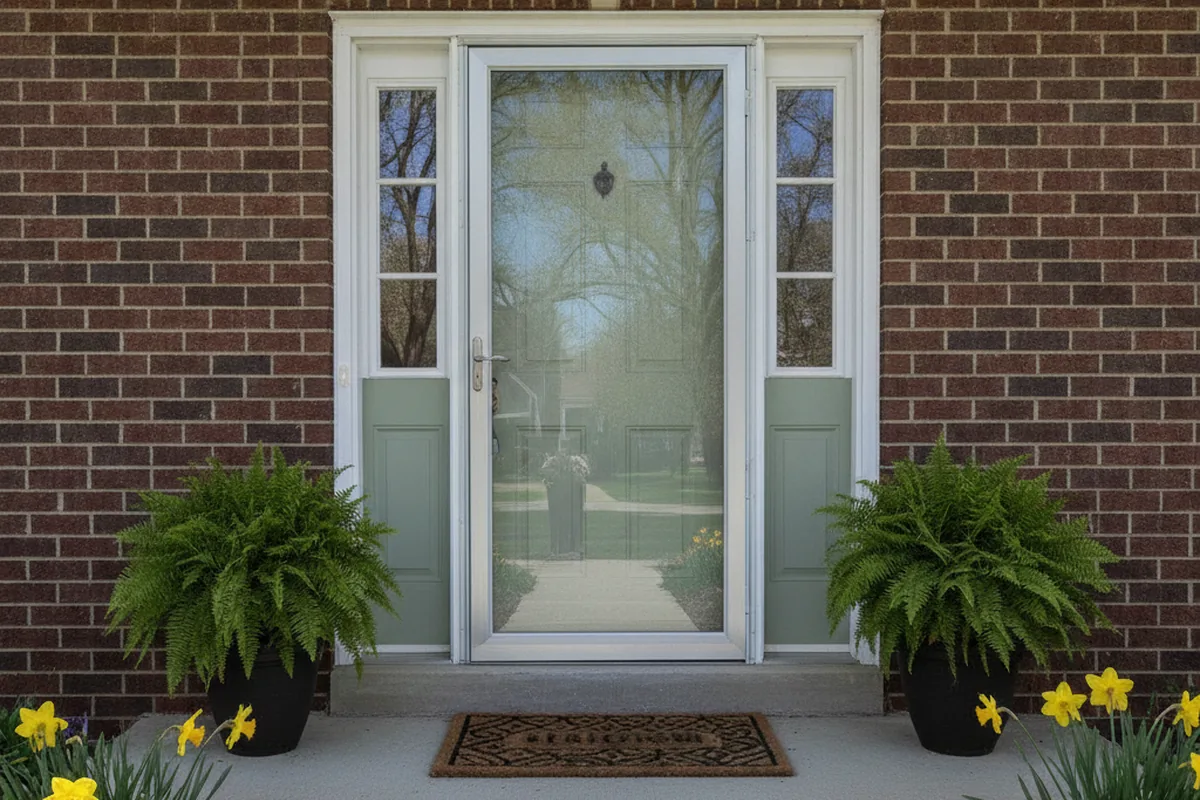
Storm & Screen Doors
Local storm door installers who supply the door as well as fit it, plus repairs to the storm door you already have.
Learn moreHelpful next steps: All door services · Door installation cost · Areas we serve · See our work · Reviews & our promise · Door FAQs · Financing options · About BH Door Solutions
Want a straight answer on your own doors?
Talk to a local metro Detroit crew. We measure, check the frames, and tell you plainly what your doors need.