Can Door Frames Swell?
Yes. A wood door frame swells when it takes on water and shrinks again as it dries. In a Michigan winter the cause is almost always rain or melting snow reaching bare wood, not humid air. Let it dry before you change anything, and do not plane the door to fit.
· BH Door Solutions
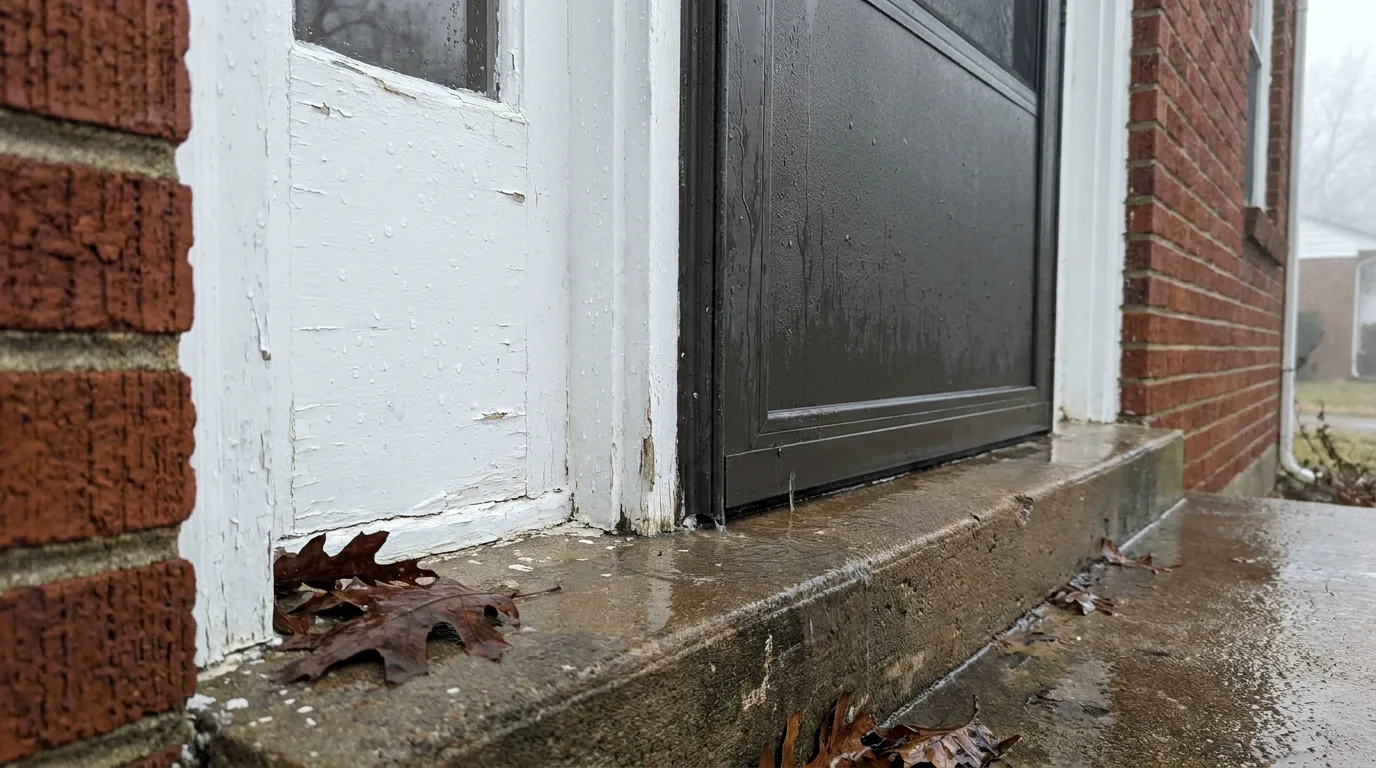
Yes. A wood door frame swells when it takes on water, and it shrinks again as it dries. The jamb gets thicker and wider, not taller, and that is enough to close the small gap the door needs, so the door rubs, sticks or stops latching. In summer the cause is usually humid air. In a Michigan winter the air inside the house is dry, so a frame that swells between November and March is almost always getting wet from liquid water: rain blown at the door, snow sitting against the sill, or meltwater getting behind the paint and caulk. The Thanksgiving 2026 forecast for Metro Detroit calls for half an inch to an inch of rain from Thursday into Friday, with wet snow mixing in overnight. That is the kind of weather that shows up a few days later as a door that suddenly sticks.
Why a wood frame swells, and where the water gets in
Wood takes on moisture and gets bigger across the grain. It hardly changes along its length. So a door jamb does not grow taller when it gets wet. It gets a little thicker and a little wider, and it moves toward the door. The gap between a door and its frame is only about an eighth of an inch to begin with, so it does not take much swelling to make the two touch.
A painted jamb face sheds water well. The water gets in at the places that have no paint, or where the paint or caulk has cracked. The cut ends of the wood matter most, because end grain soaks up water much faster than the face of a board.
- The bottom of each jamb leg, where the cut end sits on the sill and water collects
- The joint between the jamb and the outside trim, where old caulk has cracked or pulled away
- Nail holes, dents and hairline cracks in the paint
- The joint between the sill and the jamb, especially when the porch slopes toward the house
- The back of the threshold, when the door sweep is worn and wind pushes rain under the door
Swollen frame or shifted frame: how to tell
A door that sticks has one of two causes. Either the frame has swollen, or the frame has moved out of square. The fix is different, so it is worth five minutes to work out which one you have.
Look at the timing first. Swelling follows wet weather by a day or a few days, and it eases after a run of dry days. A frame that has shifted stays the same whatever the weather does.
Then look at where the door rubs. Swelling is usually low on the frame, in the bottom foot or two of either side or along the threshold, because that is where the water sits. You can often see a strip of scuffed or shiny paint where the door has been dragging. A door that binds at one top corner, with a wide gap at the opposite corner, points to a frame out of square or a sagging hinge instead. Our guide to door frame repair or replacement goes through those signs one by one.
Last, press the bottom few inches of the jamb with your thumb. Swollen wood that is still sound feels hard. Wood that gives, feels spongy or holds a dent has rot behind the paint, and that needs a repair, not drying time.
Steel and fiberglass doors do not swell, but their frames do
Many Metro Detroit homes have a steel or fiberglass front door hung in a wood frame. The door itself does not take on water, so it does not swell. When a steel door starts to stick after a wet week, the frame is the part that changed.
A solid wood door can swell as well, so with a wood door you may have both problems at once. Check the edges of the door, top and bottom included. Those edges are often left unpainted, and bare edges take in water the same way a bare jamb end does.
Some newer frames use composite or PVC at the bottom of the jamb legs in place of wood. Those parts do not absorb water. If your frame is being repaired or replaced, it is worth asking about that for the bottom section, where the water always ends up.
What to do this week, and what not to do
Do not plane or sand the door or the frame to make it fit while it is swollen. The wood will shrink back when it dries. A door trimmed to fit a swollen frame has a gap for the rest of the winter, and cold air comes through it. Planing also removes the paint that was protecting the wood, which lets more water in the next time it rains.
Give it time to dry first. With the heat on inside and a few dry days outside, a frame that only got wet once usually comes back on its own. You can help it along.
- Keep snow, wet leaves and doormats away from the bottom of the frame and the sill
- Wipe up water that pools at the threshold after rain
- Look at the caulk line between the outside trim and the brick or siding, and note any gaps
- Check the door sweep and the bottom corners of the weatherstripping for wear
- If there is a storm door, see whether water is getting trapped between it and the entry door
When swelling is a sign of something bigger
Sealing the gap that let the water in is the real fix, and caulk and paint need a dry surface and mild temperatures to cure. Follow the label on the product. In the middle of a Michigan winter that often means keeping water away from the frame for now and sealing it properly on the first mild dry spell.
Some frames do not come back. Call someone if the door is still tight after a week or two of dry weather, if it swells again after every rain, if the wood at the bottom of the jamb is soft, or if the paint there is bubbling, peeling or stained dark. Those signs mean water has been getting in for a while. In a Michigan winter that water freezes and thaws inside the wood, and each freeze opens the path a little wider.
A frame in that state can often be repaired without replacing the whole door. The damaged section is cut out and a new piece is fitted, sealed and painted. Our door frame repair page explains how that is done. If the frame is sound and the door only needs its hinges, strike plate or weatherstripping adjusted, that is a door repair visit.
What it costs depends on what we find: an adjustment, a section of jamb replaced, or a new frame. We do not publish prices on this site because every door is different. Call (313) 236-4558 for a price on your job.
We work across Wayne, Oakland and Macomb counties, including Detroit, Royal Oak, Troy, Warren, Dearborn and Southfield. If your door has started sticking after the rain and has not eased, call (313) 236-4558, Sunday to Thursday 9am to 5pm and Friday 9am to noon, or contact us and we will call you back.
Door Repair questions we get asked
Do door frames swell in winter?
They can. Heated indoor air is dry, so winter swelling is rarely caused by humidity. It is almost always caused by liquid water: rain, snow sitting against the sill, or meltwater getting into bare wood at the bottom of the frame.
Will a swollen door frame go back to normal?
Usually, if the wood is sound and it gets a few dry days. A frame that gets wet again and again may stay distorted, and wood that has gone soft will not recover. That needs a repair.
Should I plane a door that sticks after rain?
Not while the frame is swollen. The wood shrinks back as it dries, and the trimmed door is left with a gap that lets cold air in. Let it dry, then deal with the place where the water got in.
My front door is steel. Can it still stick because of swelling?
Yes. A steel or fiberglass door does not swell, but most of them hang in a wood frame, and the frame does. If a steel door starts rubbing after wet weather, look at the bottom of the frame.
What decides the cost of fixing a swollen door frame?
What the frame needs: an adjustment, a section of the jamb cut out and replaced, or a new frame. We do not publish prices because every door is different. Call (313) 236-4558 for a price on your job.
Services covered in this guide
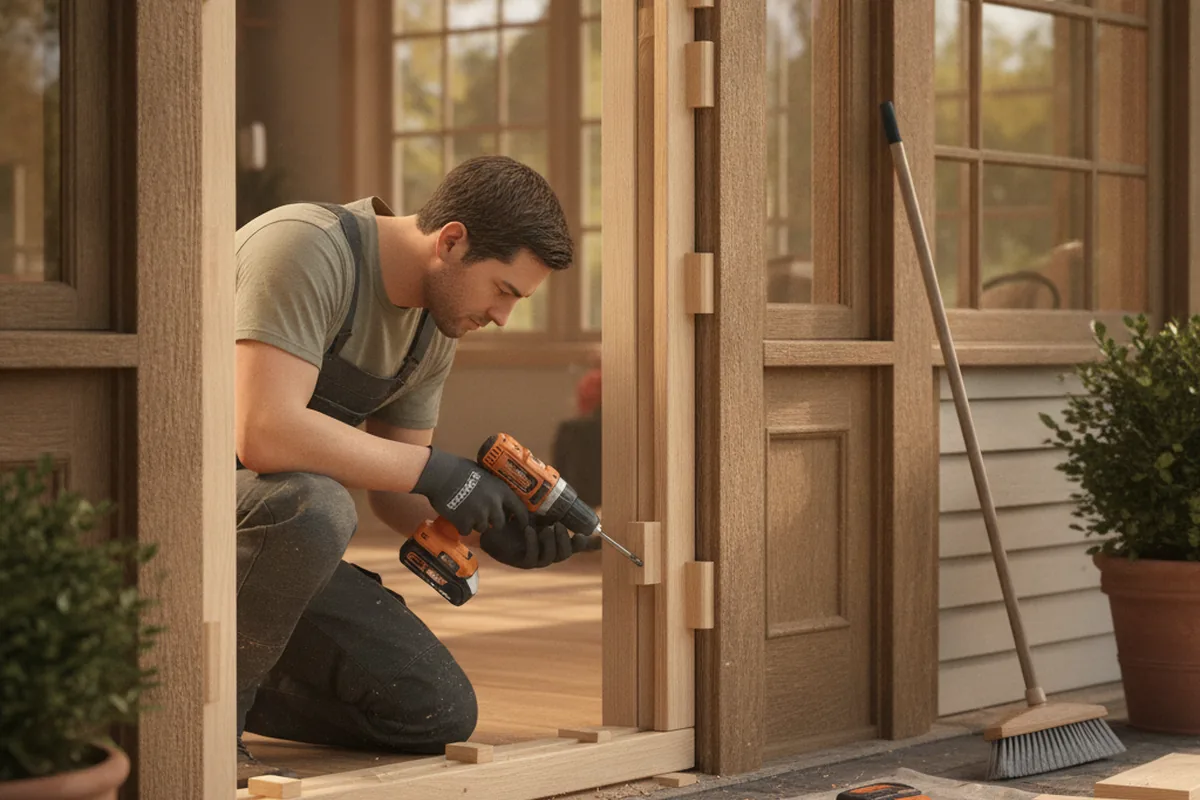
Door Frame & Jamb Repair
Split, rotted, or kicked in? We rebuild door frames and jambs solid and weathertight, with same-day service across Metro Detroit when the schedule allows.
Learn more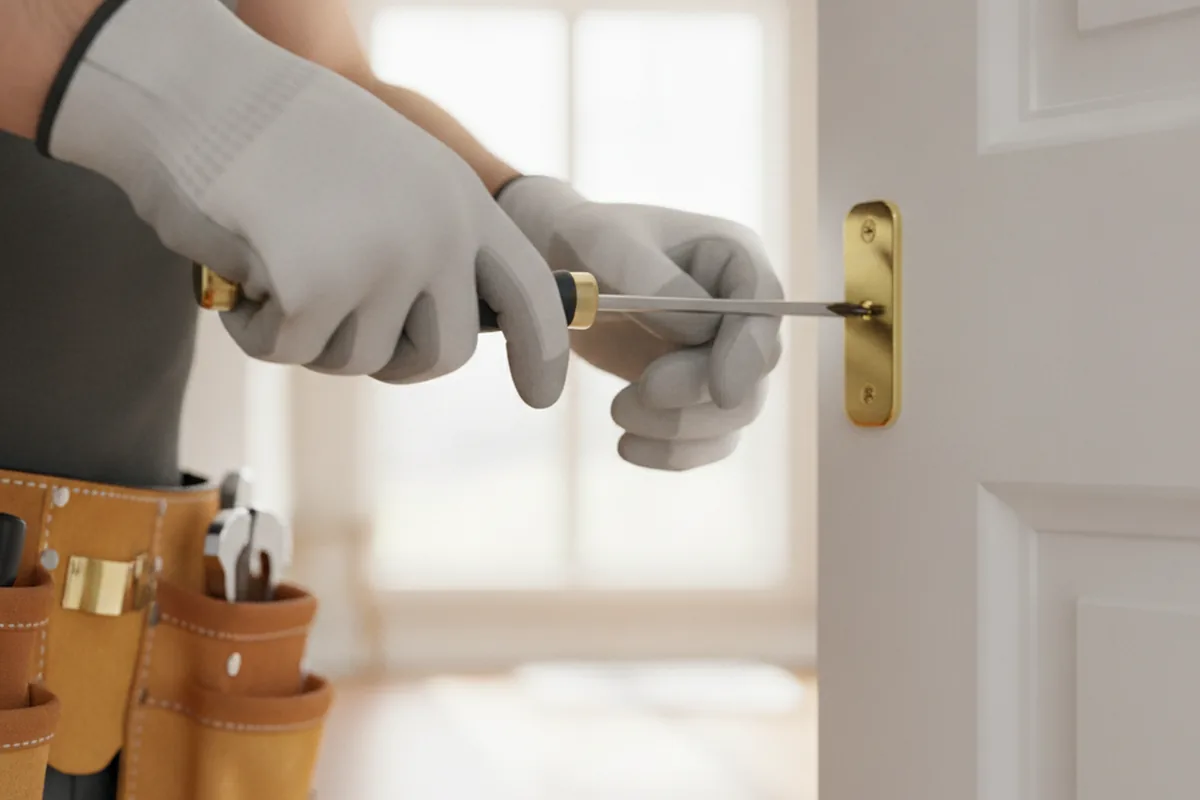
Door Repair
Sticking, drafty, or won't latch? We fix doors right the first time, with same-day service across Metro Detroit Sun–Thu whenever the schedule allows.
Learn more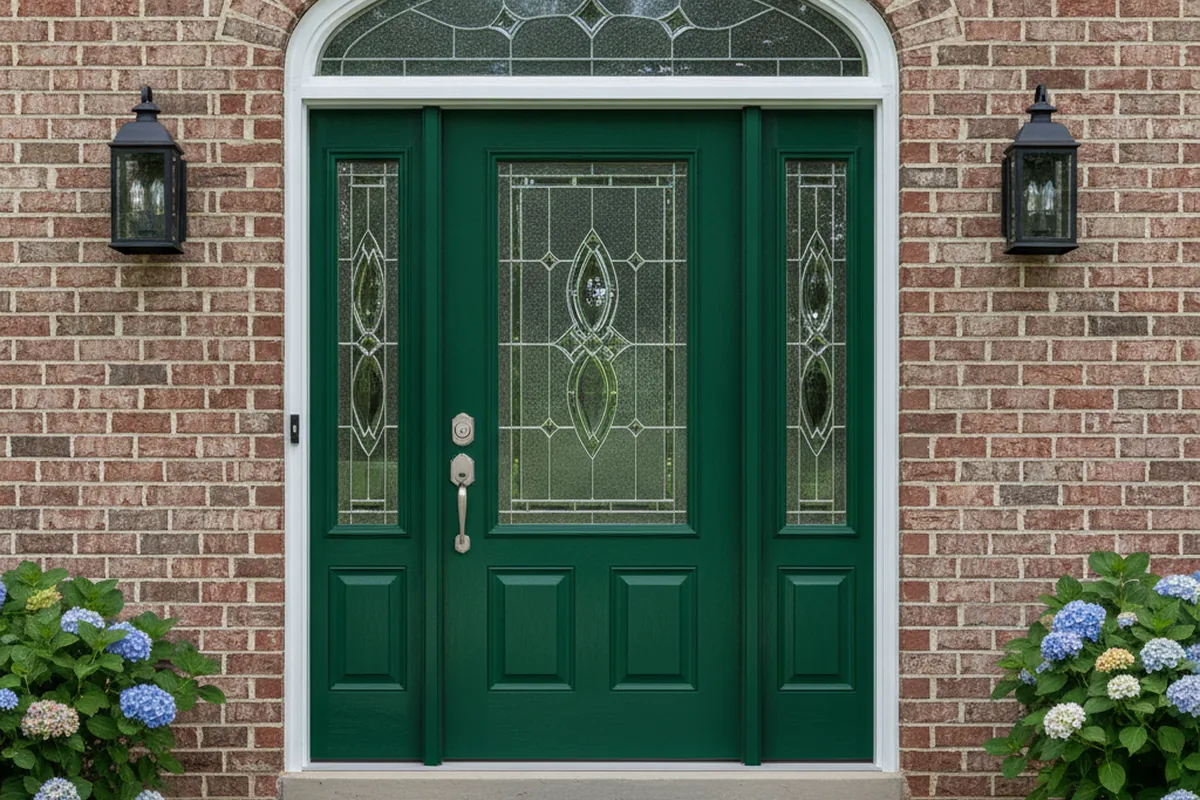
Entry & Front Doors
Your front door is the first thing guests see and your last line of defense against a Michigan winter—let's make it count.
Learn more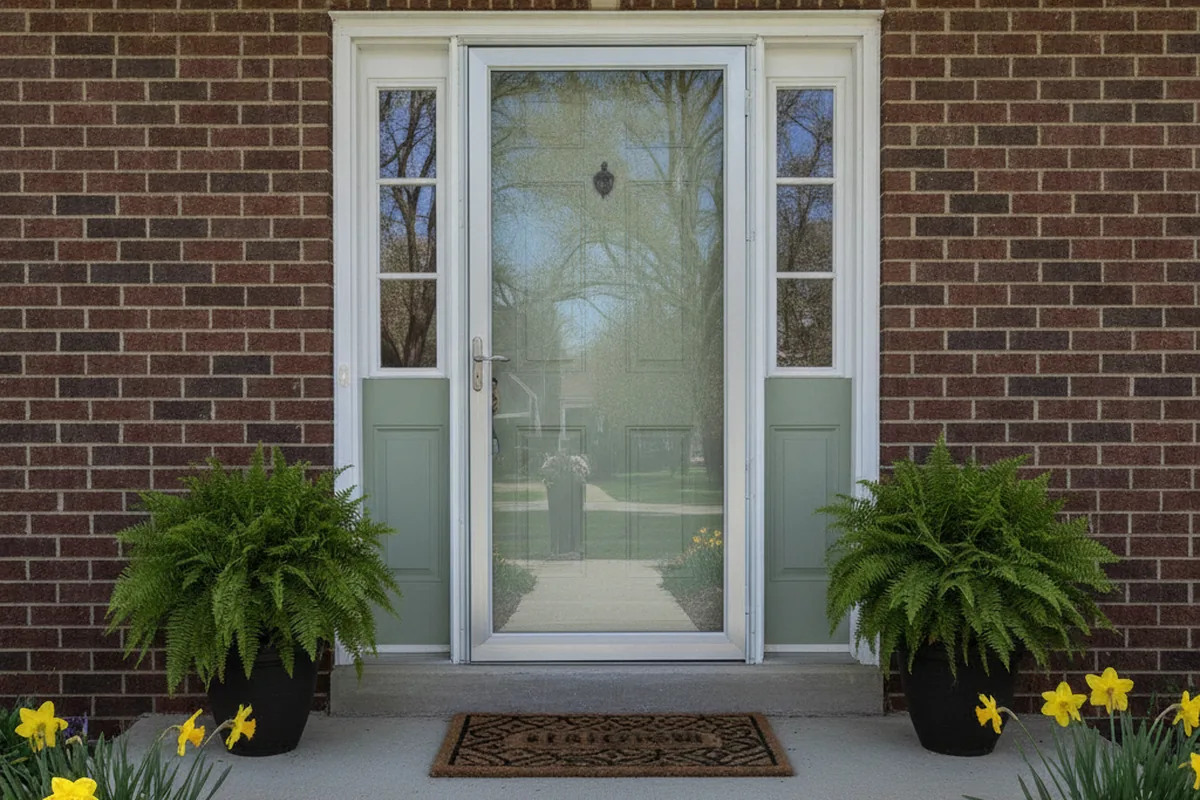
Storm & Screen Doors
Local storm door installers who supply the door as well as fit it, plus repairs to the storm door you already have.
Learn moreHelpful next steps: All door services · Door installation cost · Areas we serve · See our work · Reviews & our promise · Door FAQs · Financing options · About BH Door Solutions
Want a straight answer on your own doors?
Talk to a local metro Detroit crew. We measure, check the frames, and tell you plainly what your doors need.