How to Choose Interior Doors for a Michigan Home
Solid core or hollow core, prehung or slab, and how to tell a real installation quote from a vague one. A plain-English guide for Metro Detroit homeowners.
· Updated September 30, 2026 · BH Door Solutions
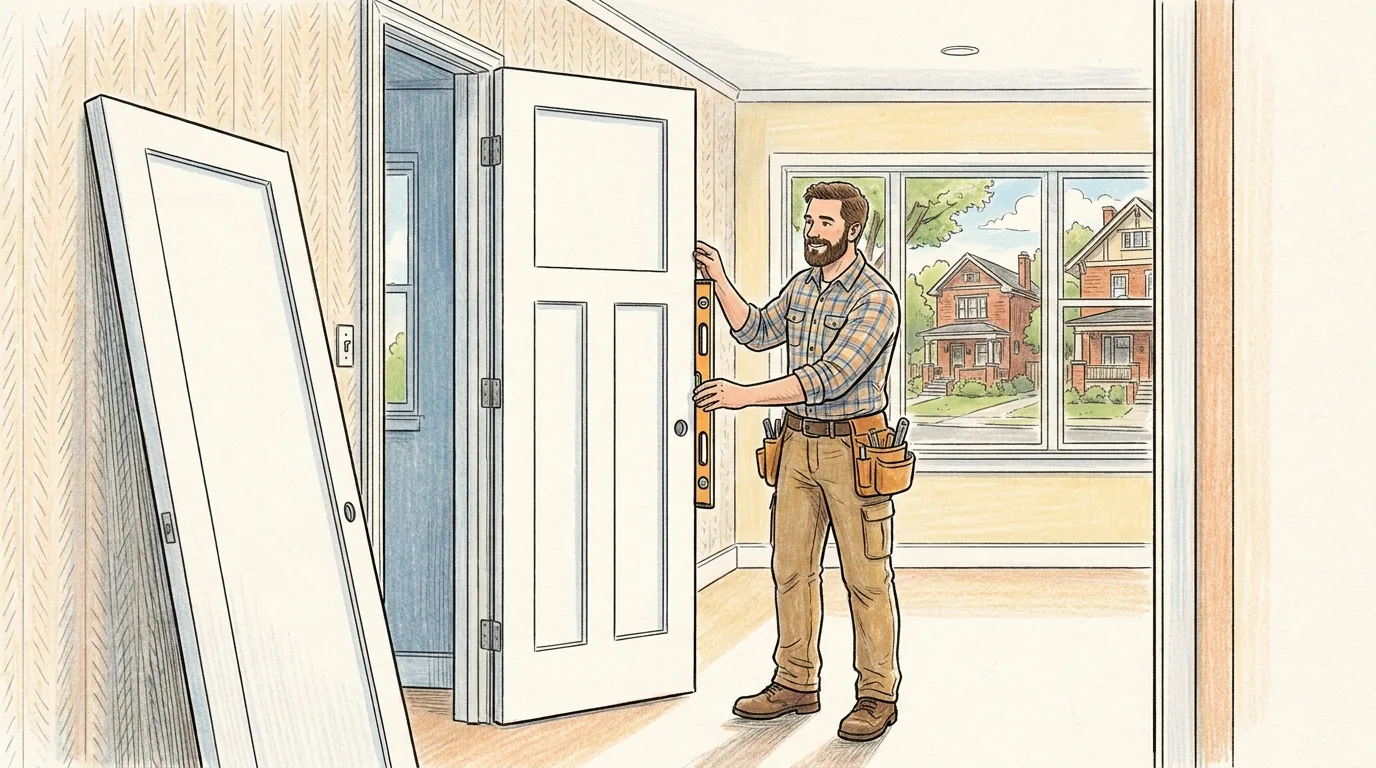
Interior doors are the thing people decide last in a remodel and then touch every single day. Get the choice right and the house feels quieter and more finished. Get it wrong and you live with a door that sticks in August, drifts open on its own, or rattles every time the furnace kicks on. Here is how to think it through, in the order the decisions actually come up.
Solid core or hollow core: the choice you feel every day
Nearly every interior door sold in Metro Detroit is one of three builds. A hollow core door is two thin face skins over a cardboard honeycomb: light, inexpensive, and standard in most subdivisions built from the 1970s onward. A solid core door uses the same skins over an engineered wood or particleboard fill, so it weighs several times as much and sounds like a real door when it closes. A solid wood door is stile-and-rail construction, the priciest option and the one that reacts most to humidity.
The difference you actually notice is sound. A solid core door on a bedroom, a home office, or a bathroom cuts a meaningful amount of speech noise between rooms. A hollow core door does very little. That is why the doors homeowners upgrade first are almost always the primary bedroom, the office, the bath, and the door at the top of a basement stairwell.
Weight is the trade-off. A solid core slab needs hinge screws long enough to reach the framing behind the jamb, and it is far less forgiving of an opening that is out of square. In older Metro Detroit housing stock, plaster walls and decades of settling make out of square the normal condition rather than the exception. That is a fitting problem, not a door problem, and it is exactly why a heavy door hung carelessly swings open by itself.
- Hollow core: lightest and least expensive, minimal sound control, fine for closets and low-traffic rooms
- Solid core: noticeably quieter and more substantial to the hand, the usual upgrade for bedrooms, offices, and baths
- Solid wood: the premium choice for statement doors, and the most sensitive to Michigan humidity swings
Prehung or slab: the question that decides the whole job
A prehung door arrives already hung in its own jamb, hinges mortised and the handle bore drilled. A slab is the door alone, hung on the frame you already have. This is not really a matter of taste. It is decided by the condition of the opening, which is why any honest quote starts with someone looking at your jambs.
Go prehung when the existing jamb is split, rotted, painted into immobility, or noticeably out of square, and always when you are changing the door size. It costs more in labor because the casing comes off and goes back on, but you end up with a square, true opening instead of fighting the old one forever.
Go with a slab when the jamb is solid and plumb, the hinge positions work, and you simply want a better door. Slab swaps are faster and gentler on the budget, and they are the right call in most newer builds where the framing never moved. The warning sign is a quote for a slab swap written by someone who never looked at the frame. Our interior door installation page walks through both routes, including closet, bifold, barn, and pocket doors.
Matching the door to the house you actually own
Style is the easy part once you know the era of the house. Flat-panel shaker and two-panel doors sit comfortably in postwar ranches and newer subdivisions, while older colonials and Tudors carry six-panel and plank styles better. Glass-panel interior French doors open a sightline between a living room and an office without losing the ability to close it off. Sliding barn doors solve openings where a swing would eat the room, and pocket doors do the same while disappearing into the wall.
The mix genuinely changes by neighborhood. On the prewar blocks of Royal Oak and Ferndale, plaster walls and openings that shifted decades ago mean the slab often has to be scribed to the opening and the strike plate moved to meet the latch. In the newer construction across Shelby Township and Chesterfield Township, openings are usually square and the original doors are hollow core builder stock, so the common project is a whole-house upgrade to solid core rather than a rescue job on one stubborn door.
One practical note before you fall in love with a style: check what is under the door as well as what is around it. New flooring or thicker carpet changes the clearance a door needs at the bottom, and that is far cheaper to catch before the order than after.
What a proper interior door installation involves
The door is the product. The installation is the result. A door that closes cleanly and stays that way comes down to a short list of unglamorous steps, and every one of them is skipped somewhere.
Michigan weather makes reveal gaps matter more here than in a dry climate. Wood absorbs summer humidity and swells, then gives it back in the dry heat of winter and shrinks. A door set with no allowance for that will bind in July and rattle in January, which is why a door fitted well ten years ago still works and a door jammed into place does not.
- Checking the opening for plumb, level, and square before anything is ordered
- Shimming the jamb true rather than screwing it tight to a bowed stud
- Setting even reveal gaps at the top and along the latch side
- Running at least one long hinge screw into the framing, especially on solid core
- Aligning the strike plate to the latch instead of forcing the door to meet it
- Confirming floor clearance for carpet, rugs, and any new flooring
- Resetting the casing and trim, then testing the swing and latch before packing up
How to read a quote from interior door dealers and installers
It helps to know that dealer and installer are two different jobs. A dealer sells you the door, and the good ones are genuinely useful for sourcing sizes, finishes, and matched sets. An installer fits it to your opening. Some companies do both, some quote only one half, and the gap between the two is where most disappointing interior door projects live.
A quote worth accepting names the door build, says clearly whether it is prehung or slab, and states the jamb depth and the swing hand so the right unit arrives. Swing hand trips people up constantly: stand on the side where the door swings toward you, and if the hinges are on your left it is a left-hand door. The quote should also say who removes and disposes of the old door, whether trim and casing are included, and whether correcting an out-of-square opening is inside the price or an extra you hear about on the day.
If you are still budgeting, our door installation cost guide covers what shapes the price on a Metro Detroit door project. When you are comparing two written quotes, three questions separate them quickly: what happens if the opening is not square, is the hardware included or supplied by me, and what is covered if the door binds a season from now.
A short checklist before you order
Run through this before anything is bought, and most of the usual surprises never happen.
- Measure the existing door width, height, and thickness, plus the jamb depth
- Decide the swing hand for each opening and write it on the list
- Pick solid core where sound matters and hollow core where it honestly does not
- Check the opening for square and the floor clearance for new flooring
- Decide whether hardware is reused or replaced, and in what finish
- Confirm the quote covers trim, disposal, and any correction to the opening
Getting it right the first time
The doors themselves are widely available. Fitting them to a house that has moved through fifty or a hundred Michigan winters is the part worth hiring for. BH Door Solutions installs interior doors across Wayne, Oakland, and Macomb counties, from a single bedroom slab to a full package of prehung doors after a remodel. If you want a straight answer about which route your openings call for, contact us and we will measure, look at the frames, and tell you plainly what they need.
Interior Doors questions we get asked
Is it worth upgrading to solid core interior doors?
For bedrooms, home offices, bathrooms, and basement stairwells, most homeowners feel the difference immediately, because solid core doors block a noticeable amount of speech and mechanical noise that hollow core doors let straight through. For closets and low-traffic rooms, hollow core is usually fine. A common approach is to upgrade the handful of doors where sound matters and leave the rest.
Can I replace an interior door without replacing the frame?
Yes, as long as the frame is sound, plumb, and square. That is a slab replacement: the new door is sized to the existing opening, the hinges are mortised to match, and the handle bore is drilled to line up with your strike plate. If the jamb is split, rotted, or noticeably out of square, a prehung unit is the better answer because it brings a true frame with it.
What size are standard interior doors?
Interior doors are commonly 80 inches tall, with widths of 24, 28, 30, 32, and 36 inches, and a typical thickness of one and three-eighths inches. Older Metro Detroit homes are the exception and often have openings that do not match any stock size, which is where a door has to be scribed to fit or a prehung unit ordered to the opening.
How long does an interior door installation take?
A slab swap on a sound jamb is a short job. A prehung replacement takes longer because the casing has to come off and go back on and the trim needs finishing. A whole-house package of prehung doors is normally a multi-day project. We confirm the realistic timeline for your specific openings at the first visit, before any work is scheduled.
Services covered in this guide
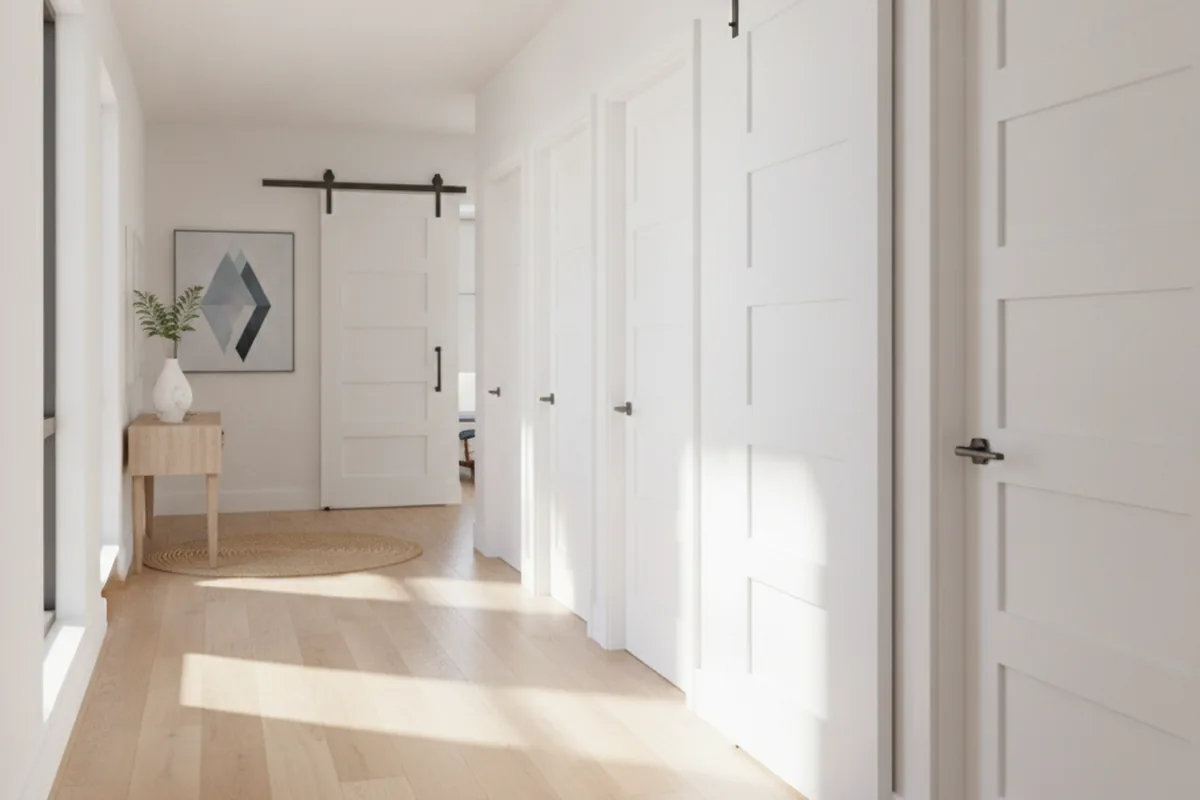
Interior Doors
One company for the door and for the fit, so nothing gets lost between the dealer and the installer.
Learn more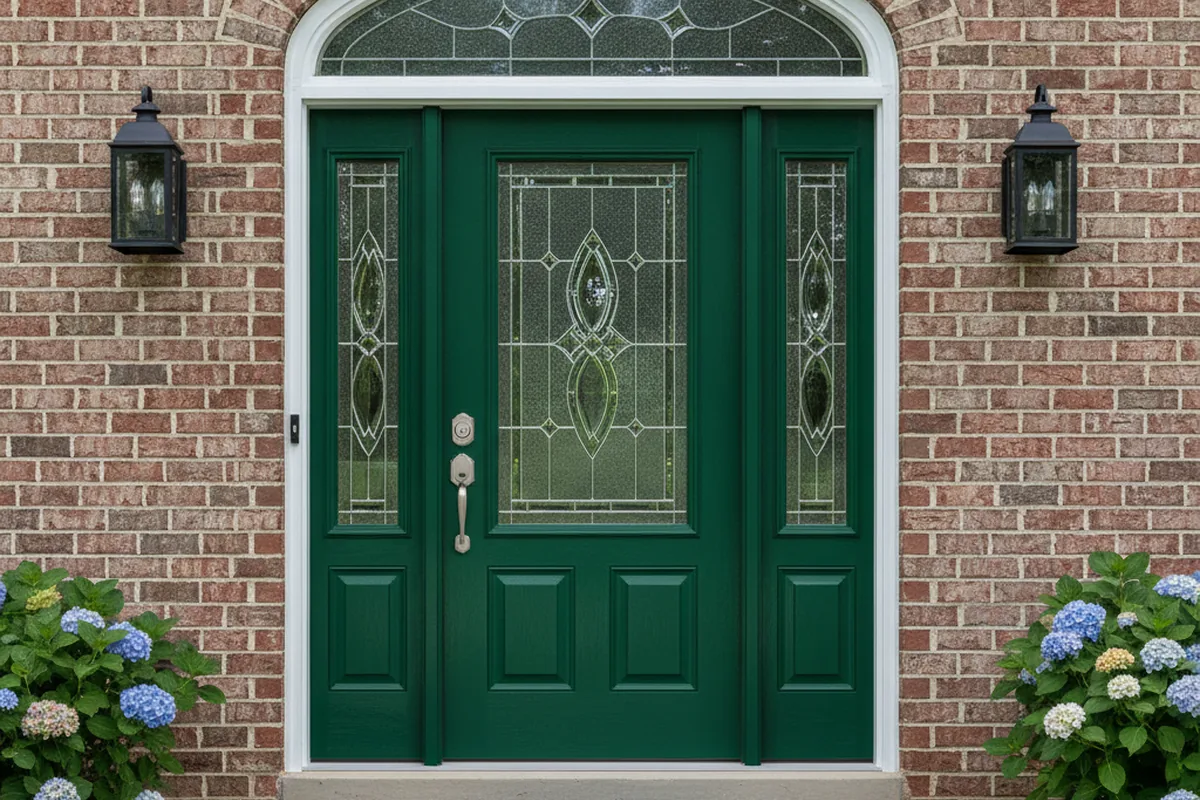
Entry & Front Doors
Your front door is the first thing guests see and your last line of defense against a Michigan winter—let's make it count.
Learn more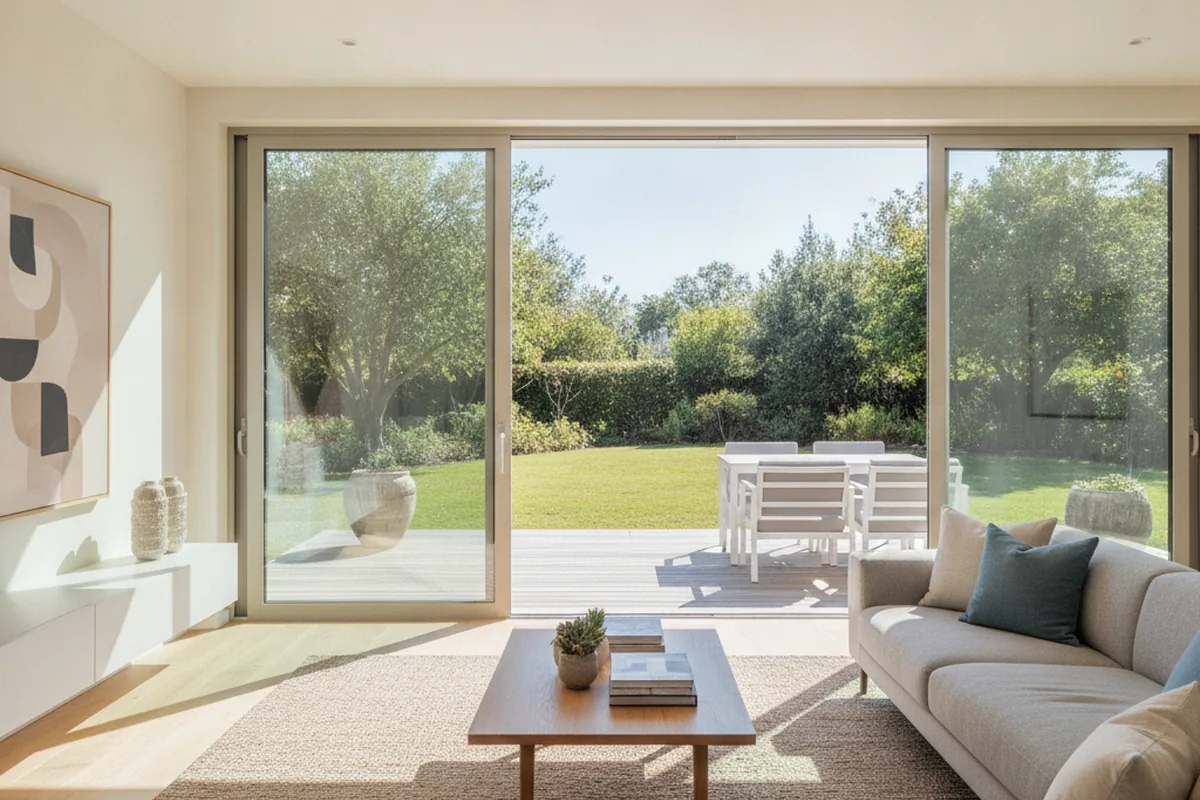
Patio & Sliding Doors
Sliding glass, French, and folding wall systems—expertly installed to keep Michigan weather where it belongs: outside.
Learn more
Cost Guide
What drives the price of entry, patio, storm, and interior doors, explained in plain English for metro Detroit homes.
Learn moreHelpful next steps: All door services · Door installation cost · Areas we serve · See our work · Reviews & our promise · Door FAQs · Financing options · About BH Door Solutions
Want a straight answer on your own doors?
Talk to a local metro Detroit crew. We measure, check the frames, and tell you plainly what your doors need.