How Long a Front Door Replacement Actually Takes in Metro Detroit
Almost nobody tells you the part that decides your calendar: an exterior door is manufactured to your opening, so the clock starts at the order, not at the install. Here is what drives it.
· Updated September 30, 2026 · BH Door Solutions
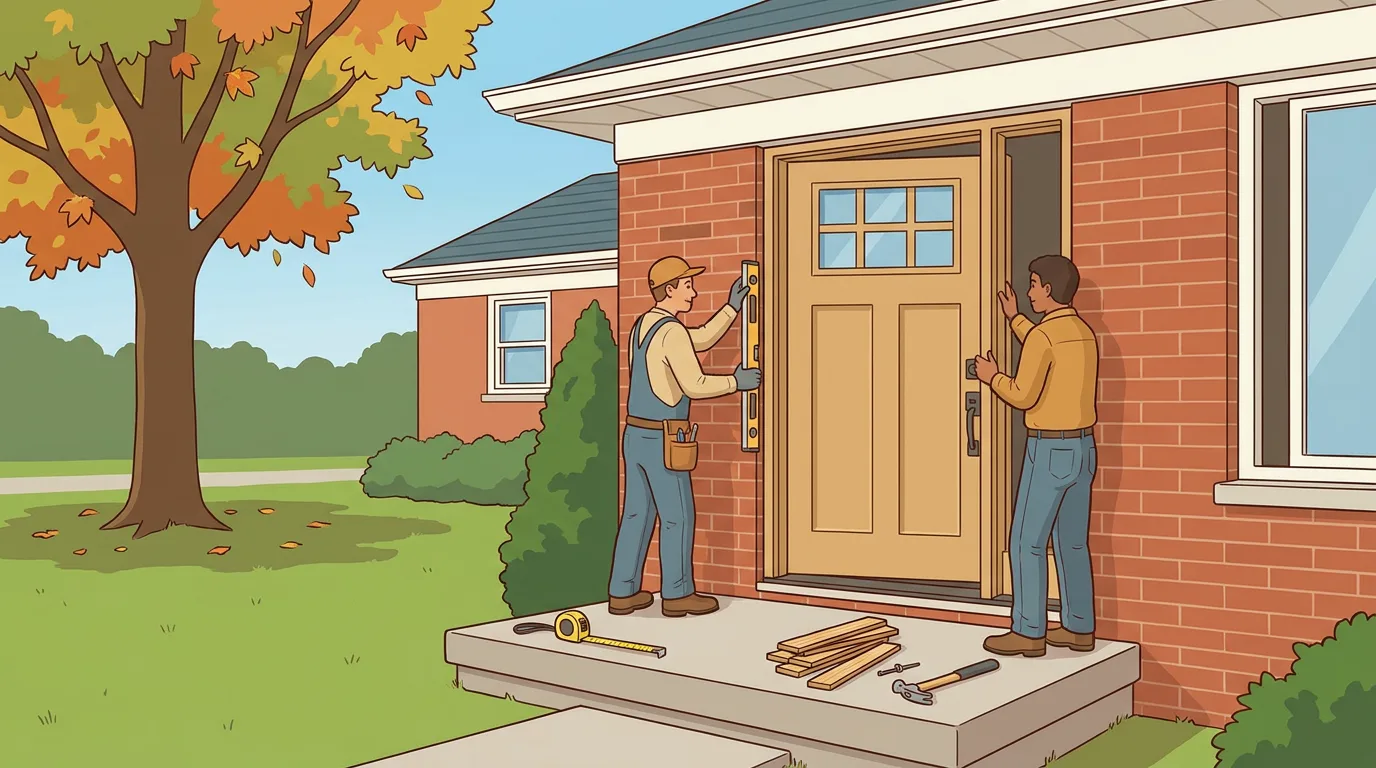
Most people picture a front door replacement as a one-day job, and the install itself usually is. What surprises them is everything in front of it. An exterior door is not a product sitting on a shelf waiting for you; it is a unit built to the numbers of your specific opening, and the calendar starts moving when that order is placed, not when you decide you want a new door. Knowing what stretches that window, and what barely touches it, is the difference between a door that arrives when you wanted it and one that shows up after the weather turned.
Your front door is built, not picked up
The doors standing in a showroom aisle are display models in the most common size, in a standard jamb, bored for standard hardware. Some Metro Detroit entries genuinely match that, and when yours does, the job can move quickly. Plenty do not, and the further your opening sits from stock, the more the schedule belongs to a factory rather than to a crew.
What actually arrives on the truck is a whole assembly, not a panel. The slab, the frame it hangs in, the sill it lands on, the weatherstrip, the hinges, the bored holes for the lockset, and often the sidelights and exterior trim all come as one pre-assembled unit built to your measurements. That is why entry door installation goes in cleanly in a single visit when it is done right: nearly all the fitting work happened at a plant weeks earlier.
It also explains why a built-to-order door is generally not returnable. Nobody else has your opening. That is the reason the measurement stage gets the attention it does, and the reason a wrong number costs weeks rather than an afternoon.
- The slab itself, in your material, style, and glass configuration
- The jamb, cut to your wall thickness rather than a generic depth
- The sill and threshold, which set how the door seals at the bottom
- Factory-fitted weatherstrip, hinges, and the bore for your lockset
- Sidelights, transoms, and exterior brickmould where the opening has them
- Factory finish, if you ordered the door already painted or stained
The four choices that move the lead time most
Homeowners tend to assume the expensive decisions are the slow ones. They overlap, but not neatly. A costlier door in a stock size can arrive well ahead of a plain one built to an odd width, because the delay is driven by how far the order sits from what the plant already runs.
Four decisions do most of the work. Size is the big one: a standard width in a standard height is something manufacturers build continuously, while anything custom joins a different queue. Glass is next, and stock decorative glass behaves very differently from a custom pattern or a unit with sidelights and a transom. Finish matters more than people expect, because a factory-painted or stained door adds a whole production stage that a primed door skips. Configuration finishes the list: an out-swing door, a double unit, a multipoint lock, or a non-standard hinge or bore all pull the order further from stock.
None of this argues for choosing the plainest door. It argues for asking the question early. When you talk to an installer, ask what the current lead time is for the exact configuration you are considering, and ask what it would be for the nearest stock alternative. If the gap matters to you, you will find out while you can still act on it rather than after the order is in.
- Size: a stock width and height is the fastest thing a plant makes; custom sizing joins a slower queue
- Glass: clear or stock decorative moves quickly, custom glass and sidelight or transom units do not
- Finish: a primed door you paint yourself skips the stage that a factory-finished door has to wait through
- Configuration: out-swing, double doors, multipoint hardware, and non-standard bores all add steps
What makes a Metro Detroit opening non-standard
This service area covers an unusually wide spread of housing stock, and the age of the house is the best early predictor of whether your opening is stock. The pre-war and post-war bungalows through Ferndale, Royal Oak, Berkley, and Clawson were built when narrower entries were normal, so a 30 or 32 inch door in an opening that has settled for eighty years is common. Newer subdivisions out through Shelby Township, Chesterfield Township, Lake Orion, and Clarkston sit closer to stock sizes, but far more often carry sidelights or a transom, which makes the unit larger and the order more specific.
Then there is what Michigan does to an opening over time. Freeze-thaw works on a sill season after season, foundations settle, and an entry that was square when it was framed is frequently no longer square today. A door ordered to the old unit size will not fix an opening that has moved; the framing has to be brought back true first, which is its own step and belongs in the schedule rather than being discovered on install day.
Brick veneer adds a second constraint, because the masonry return and the brickmould decide what will physically fit. And if a storm door is already mounted, its frame is fastened to trim that may not survive the swap, so the storm door question is worth settling in the same conversation instead of after the new door is in.
- Older bungalows and pre-war homes with narrower entries and decades of settling
- Sidelights, transoms, or a double unit, which turn one door into a larger assembly
- A sill or jamb softened by freeze-thaw, which needs the framing made true first
- Brick veneer, where the masonry return dictates the trim and the depth
- An existing storm door whose frame is fixed to trim the new unit will change
Why the number on your tape measure is not the size that gets ordered
The instinct is to measure the door itself, and that number is real, but it is not the number an order is placed on. There are three different measurements in play. The slab size is the panel. The unit size is the whole assembly including its frame. The rough opening is the hole in the framing that the unit has to fit inside, with room to shim it plumb. Confusing one for another is the single most expensive mistake available on this job.
Several other specifications travel with the order and none of them are visible on a tape measure. Jamb depth has to match your actual wall thickness, which varies with construction and with whatever has been added to the exterior since. The hand of the door, meaning which side it hinges on and whether it swings in or out, is set at the factory and cannot be flipped afterward on most exterior units. Sill type and threshold height affect how the door seals and how it meets your floor and porch.
This is exactly why a site measure exists, and it is worth insisting on rather than supplying numbers yourself. When the crew that will install the door takes the measurements, the accuracy of those numbers becomes their responsibility rather than yours. On a built-to-order product that cannot be returned, that transfer of risk is the most valuable part of the process.
- Slab size: the door panel alone, and the number most people measure first
- Unit size: the slab plus its frame, which is what a prehung order is placed on
- Rough opening: the framed hole, sized to leave room to shim the unit plumb
- Jamb depth: matched to your wall thickness, not to a generic default
- Hand and swing: set at the factory and not reversible on most exterior units
- Sill and threshold: how the door seals at the bottom and meets the porch
The timeline, start to finish
Laid out in order, the job has six stages, and only one of them is the day you have been picturing. It begins with the first visit and the conversation about material, style, and configuration. Then comes the site measure, which is where the specification is fixed. The order is placed against that specification, the unit is manufactured, and it is delivered. Only then does the crew fit it.
One stage gets skipped and should not: inspect the unit when it arrives, before install day. Transit damage happens, and a chipped edge or a cracked sidelight found while the door is still on the pallet is a very different problem from the same damage found with your old door already out of the wall and daylight coming through the opening. Ten minutes at delivery protects the entire schedule.
A primed door has one more stage after the install, because it still needs painting, and exterior paint has its own temperature requirements. If you are ordering primed, treat the finishing as part of the timeline rather than as a loose end, and plan it for weather you can actually paint in. If a storm door installation is part of the plan, that goes on after the entry door, not before.
- First visit and specification: material, style, glass, finish, hardware
- Site measure: the numbers the order is built on
- Order placed: the point the lead time actually starts
- Manufacturing: the stage the four choices above stretch or shorten
- Delivery and inspection: check for transit damage before install day
- Installation: the old unit out, the opening checked, the new unit set plumb and sealed
Why late summer beats November for this particular job
There is a reason this piece is going up in August rather than in October. Metro Detroit typically sees its first freeze in the second half of October, and the work of replacing an entry door goes materially better on the warm side of that date. Exterior sealants and caulks have minimum application temperatures, expanding foam behaves more predictably in mild conditions, and exterior paint on a primed door needs warmth to cure properly. Cold does not make the job impossible, but it narrows the margin on every part of it that has to seal.
There is also the simple matter of the opening being open. Swapping an entry door means your house has a hole in the front of it for a few hours. In September that is a mild inconvenience. In January it is a serious one, particularly in an older home where the furnace is already working hard. And if the tear-out turns up a soft sill or a rotted jamb, door frame repair is a far easier proposition before the ground and the framing are cold and wet.
Put the lead time next to that date and the arithmetic is straightforward. If your configuration carries a multi-week build and you start the conversation in August or early September, you are installing in good weather with room to spare. Start in late November and the door will still be made and still be fitted, just in conditions nobody would choose. This is not a reason to rush a decision you have not finished making. It is a reason not to let a decision you have already made sit for another six weeks.
What to settle before you call an installer
You do not need to have chosen a door before you call, and you should not feel pushed to. But a handful of answers make the first conversation far more productive, and they are all things you can work out yourself in ten minutes on your own porch.
Bring the practical constraints rather than a product name. Which opening, what is actually wrong with the current door, whether there is a storm door, whether you want glass and how much, whether you would rather paint it yourself or have it arrive finished, and roughly when you need it done. From there the specification and a realistic lead time can be built with you instead of guessed at. If door installation cost is the deciding factor, say so early, because the choices that move the schedule and the choices that move the price are not the same ones and it helps to know which you are optimizing for.
- Which opening: front entry, a side or service door, or more than one
- The actual symptom: drafts, sticking, rot, damage, or purely a looks decision
- Whether a storm door is currently fitted and whether you want one after
- How much glass you want, and whether sidelights or a transom are involved
- Primed and painted by you, or arriving factory-finished
- The date that matters to you, so the lead time can be checked against it
Entry Doors questions we get asked
How far ahead should I start if I want a new front door in before winter?
Work backwards from the first freeze, which in Metro Detroit usually falls in the second half of October, and add the lead time for your configuration. A stock-size door in a common finish can move quickly; a custom size, custom glass, or a factory finish can add weeks. The honest answer is to ask for the current lead time on your specific configuration at the first visit, because it shifts with the season and with what the manufacturer is running. Starting the conversation in late summer or early fall gives you room to absorb a longer build without ending up installing in the cold.
Does a custom size really add that much time?
Often, yes, and it is the most common surprise on this job. Manufacturers run standard sizes more or less continuously, so a stock unit is drawn from something already in production. A custom width or height has to be built specifically, which places it in a different queue. The same logic applies to custom glass and to factory finishing. If your schedule is tight, it is worth asking what the nearest stock size would be and whether your opening can reasonably take it, before you commit to custom.
Do I need to be home for the measurement?
Someone should be, and it is worth the time. The site measure is where the specification gets fixed, and it is the natural moment to settle the questions that are hard to answer over the phone: which way the door should swing, how the threshold meets your floor, what happens to the existing storm door, and whether the trim and the brick return change what will fit. It is also when a soft sill or an out-of-square opening tends to surface, which is much better known before the order than after.
Can we keep using the old door while the new one is being built?
Yes, and that is the normal arrangement. Nothing is removed until the new unit has arrived and been inspected, so your entry stays secure and weathertight through the whole manufacturing period. The only part of the process where the opening is genuinely open is the install itself, and that is measured in hours rather than days. If your current door is not securing properly right now, say so when you call, because that changes the priority and there are interim options.
What happens if the crew finds rot when the old door comes out?
It is a normal find on older Michigan entries, because freeze-thaw drives moisture into the sill and the bottom of the jamb where nobody sees it. A new door cannot be set properly into framing that has gone soft, so the affected material has to be made good first. Where the damage is confined to the frame and the door itself is still sound, frame and jamb repair is sometimes the smaller job on its own. Either way it is better to hear it flagged at the measurement stage, which is part of why that visit matters.
Services covered in this guide
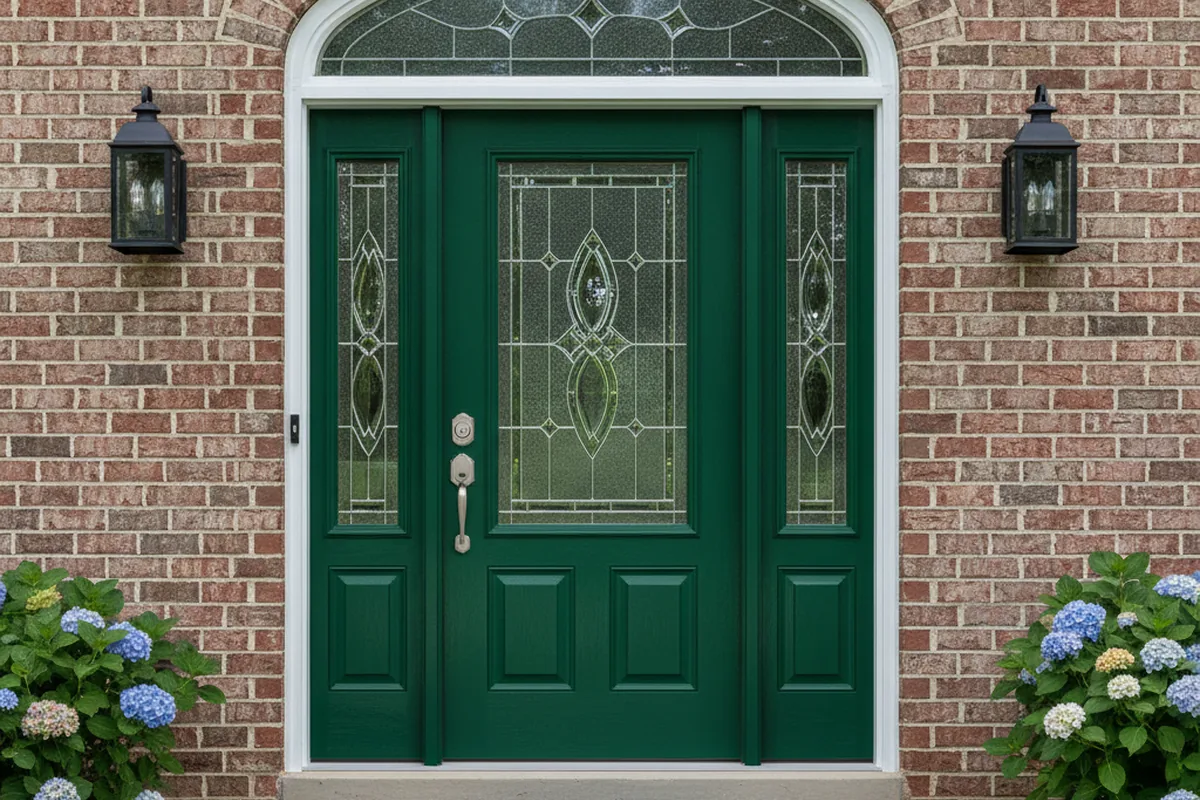
Entry & Front Doors
Your front door is the first thing guests see and your last line of defense against a Michigan winter—let's make it count.
Learn more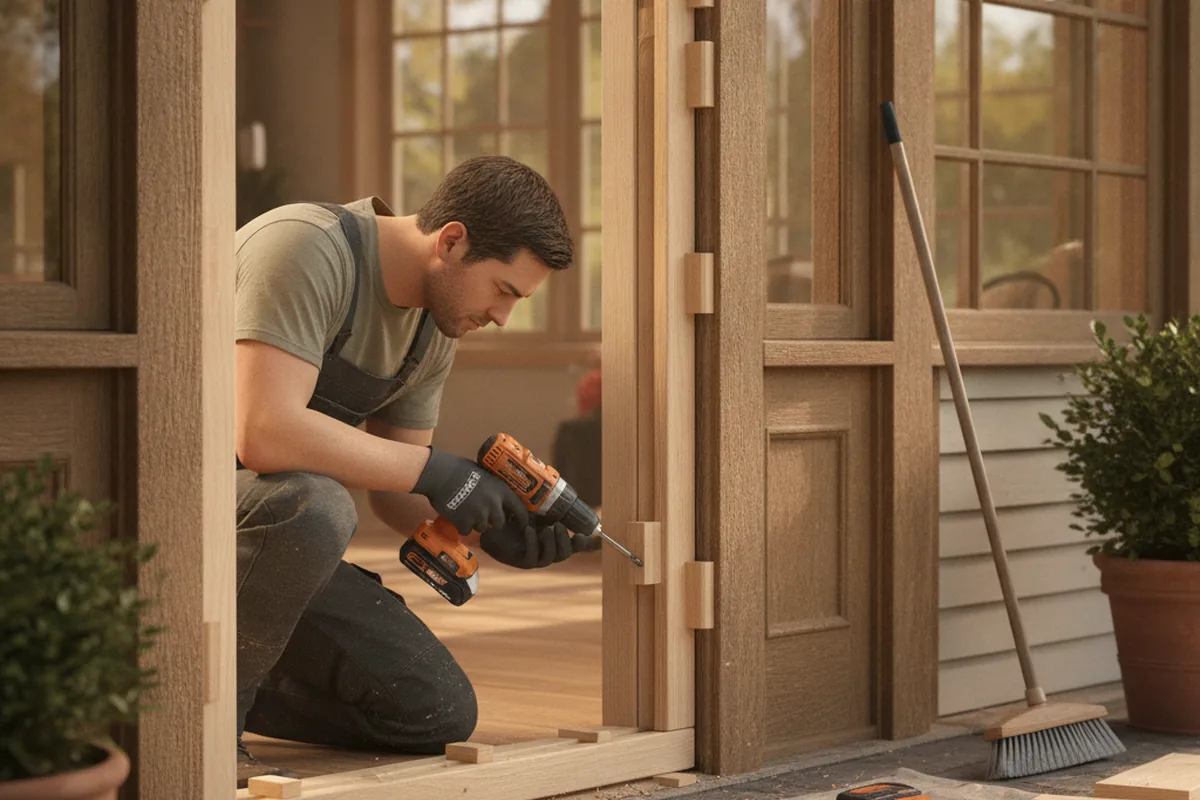
Door Frame & Jamb Repair
Split, rotted, or kicked in? We rebuild door frames and jambs solid and weathertight, with same-day service across Metro Detroit when the schedule allows.
Learn more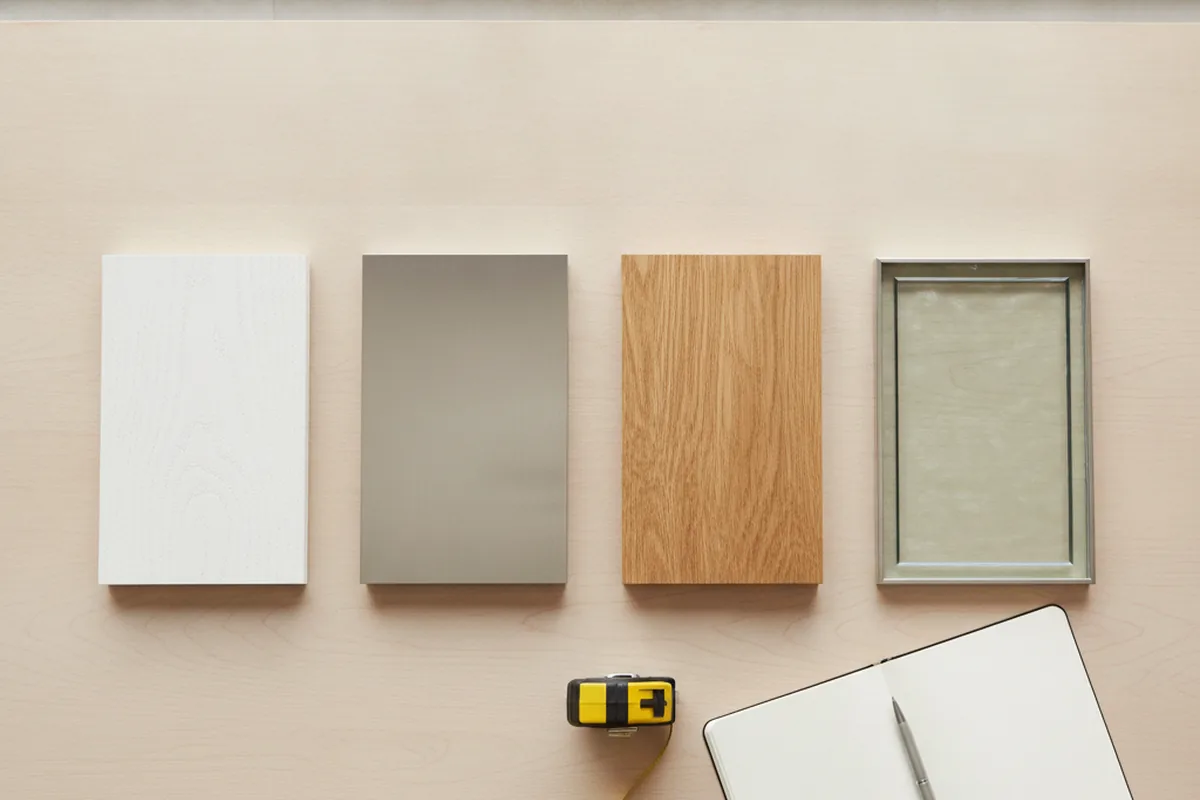
Cost Guide
What drives the price of entry, patio, storm, and interior doors, explained in plain English for metro Detroit homes.
Learn more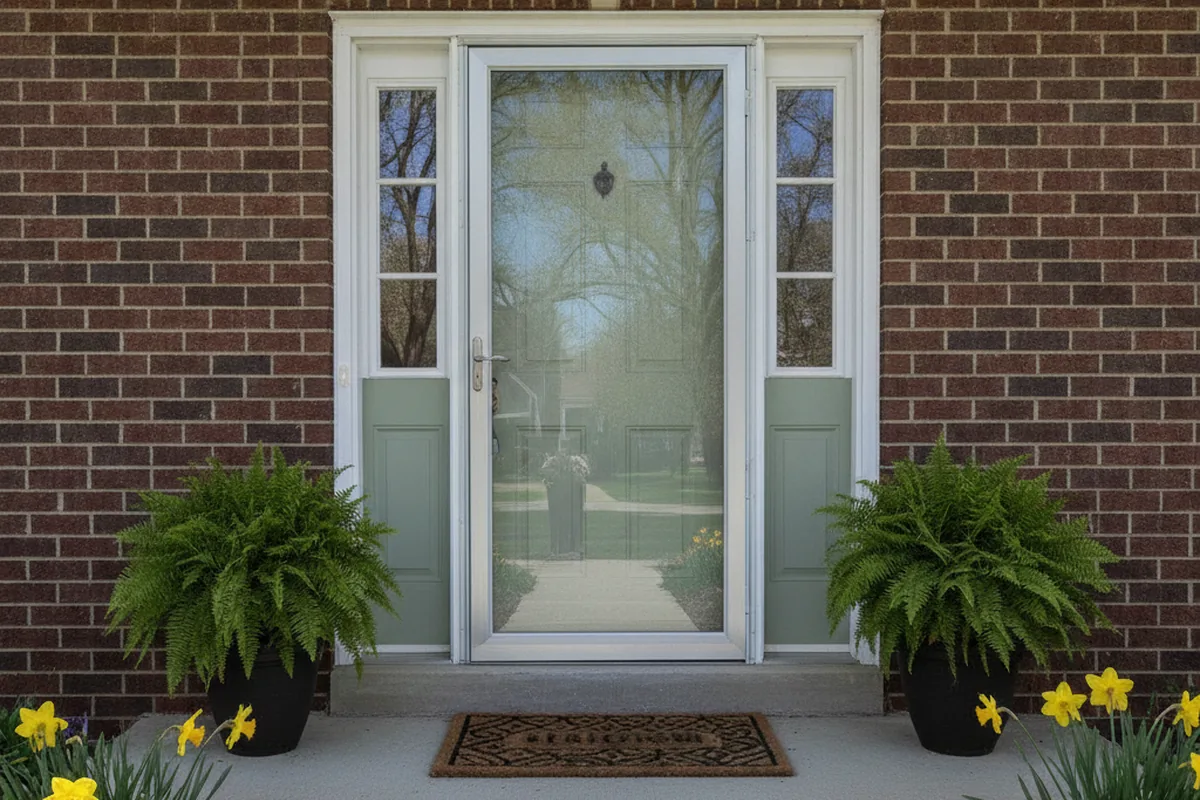
Storm & Screen Doors
Local storm door installers who supply the door as well as fit it, plus repairs to the storm door you already have.
Learn moreHelpful next steps: All door services · Door installation cost · Areas we serve · See our work · Reviews & our promise · Door FAQs · Financing options · About BH Door Solutions
Want a straight answer on your own doors?
Talk to a local metro Detroit crew. We measure, check the frames, and tell you plainly what your doors need.