Does the Door From the Garage to the House Need to Be Fire Rated?
Not always fire rated, but always fire resistant. Michigan's residential code accepts a solid wood door or a solid or honeycomb-core steel door at least 1-3/8 inches thick, or a 20-minute fire-rated door, and never a door from the garage straight into a bedroom.
· BH Door Solutions
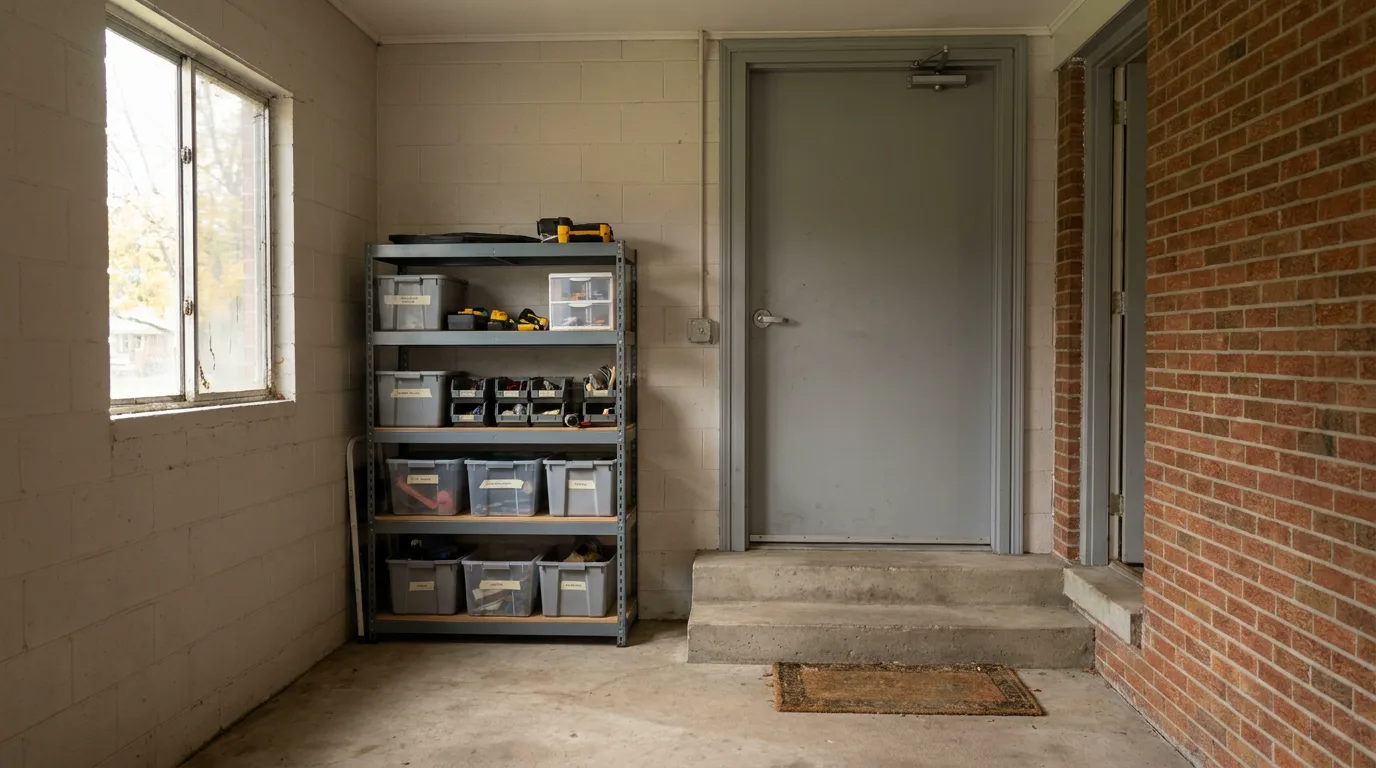
Not necessarily fire rated, but it does have to resist fire. Michigan's residential code says the door between an attached garage and the house must be one of three things: a solid wood door at least 1-3/8 inches thick, a solid or honeycomb-core steel door at least 1-3/8 inches thick, or a door with a 20-minute fire rating. It also says no door may open from the garage directly into a room used for sleeping. A hollow-core interior door, a door with a pet flap cut into it, or a thin decorative door does not qualify. The rule exists because a garage holds the car, the gas can and the lawn mower, and the door is the one opening in the wall between that room and the people asleep upstairs. On October 7, 2026 a garage fire on Joy Road near Merriman in Westland spread into the home, which is exactly the path this door is there to slow down.
What Michigan's code actually requires
Michigan builds on the national residential code but publishes its own amended version of the section on garage openings, in the state administrative code (R 408.30544b, in its current form since August 29, 2025). For a house with an attached garage, it comes down to three points.
The national model code also asks for the door to be self-closing. Michigan's amended text, as published, lists the door types and the bedroom rule but does not repeat that requirement. Some building departments in Metro Detroit still look for a self-closing hinge, and fire safety groups recommend one either way, so ask your city's building department before you buy, and treat a closer as the safe choice rather than an extra.
- A solid wood door at least 1-3/8 inches thick, or
- A solid-core or honeycomb-core steel door at least 1-3/8 inches thick, or
- Any door with a 20-minute fire rating, which carries a label on its edge or hinge side
- No opening at all from the garage directly into a bedroom
How to tell whether your door qualifies
Open the door and look at the hinge edge and the top edge. A fire-rated door usually has a metal or embossed label there, and the frame may have one too. If you find a label that names a 20-minute rating or longer, the door itself qualifies.
No label is common, and it does not mean the door fails. Knock on it. A hollow-core door sounds hollow and flexes when you press the middle, and it is the most common wrong door we find between a garage and a kitchen, usually put in during a remodel because it matched the interior doors. A solid wood or steel door sounds dull and feels heavy on the hinges. Measure the thickness at the latch edge: 1-3/8 inches or more is what the code asks for.
Then look at what has been done to it since. A pet door, a large window cut into the slab, a gap of an inch under the bottom, or a door that no longer latches all weaken it, because heat and smoke come through the weakest part of the opening, not the strongest.
Why the garage door is the one that matters
Most house fires that start in an attached garage start with what is stored there: fuel for the mower and snowblower, a car, a workbench, a chest freezer, a battery charger. The wall between the garage and the house is built as a fire separation, with drywall on the garage side, and the door is the hole in that wall. A light interior door burns through quickly; a solid door that is shut and latched buys the minutes people need to get out.
It is also the door that is most often left open. In a lot of Metro Detroit ranches and colonials it is the everyday entrance, from the car straight into the kitchen or the laundry room, so it gets propped open with a bag of groceries and forgotten. A self-closing hinge or a closer fixes that without anyone having to remember.
There is a second reason. Car exhaust left running on a cold morning, or a generator run in the garage during a power cut, is a carbon monoxide hazard, and a door that seals and closes on its own keeps that out of the house as well. A carbon monoxide alarm near the door is worth having either way.
What we install between the garage and the house
For most homes the answer is a steel or fiberglass-faced door with a solid or rated core, hung in a sound frame, with weatherstripping all round and a sweep at the bottom. Weatherstripping matters more than people expect: in a Michigan winter the garage is close to outdoor temperature, so this door is effectively an exterior door, and a poor seal shows up as a cold kitchen and a draft you can feel on the floor.
We fit self-closing spring hinges, which replace the ordinary hinges and pull the door shut from any angle, or an arm closer at the top of the door when the door is heavy or the opening is busy. Either one should close the door all the way and latch it, not just swing it to the frame.
A rated door also needs a frame and hardware that suit it. Putting a good slab back into a split jamb or a rotted sill gives you a door that will not latch. If the frame is damaged, our door frame repair work comes first. For the door itself, our entry door installation page covers the steel and fiberglass doors we hang, and smaller problems like a door that no longer latches are a door repair visit.
Do you have to replace an older door?
The code applies to new work: building the house, adding a garage, or replacing the door. An older house with a hollow door between the garage and the kitchen is not automatically breaking the law today, but the moment that door is replaced the new one has to meet the rule, and a home inspector will usually flag it when you sell.
Replace it now if any of these are true. If none are, a good seal and a self-closing hinge are often all the existing door needs.
What the work costs depends on the door you choose, whether it has to be rated, the hardware and closer, and whether the frame needs repair. We do not publish prices on this site because every opening is different. Call (313) 236-4558 for a price on your job.
We replace and repair garage entry doors across Wayne, Oakland and Macomb counties, including Westland, Livonia, Detroit, Troy, Warren and Dearborn. Call (313) 236-4558, Sunday to Thursday 9am to 5pm and Friday 9am to noon, or contact us and we will call you back.
- It is a hollow-core door, or it flexes when you press the middle
- It has a pet door, a cut-in window or a large gap at the bottom
- It no longer latches, or it sags and drags on the frame
- It opens from the garage into a bedroom, which needs a change to the layout, not just a new door
- The frame or sill on the garage side is soft, rotted or split
Entry Doors questions we get asked
Does the door from the garage to the house have to be fire rated in Michigan?
Not necessarily. Michigan's residential code accepts a solid wood door or a solid or honeycomb-core steel door at least 1-3/8 inches thick, or a door with a 20-minute fire rating. A hollow-core door does not qualify.
Does a garage entry door have to be self-closing in Michigan?
The national model code calls for it, but Michigan's amended text does not repeat that requirement. Some local building departments still ask for one, and fire safety groups recommend it, so check with your city before you buy and treat a self-closing hinge as the safe choice.
Can I have a door from the garage straight into a bedroom?
No. Michigan's code does not allow any opening from a private garage directly into a room used for sleeping.
How do I know if my garage door to the house is fire rated?
Look for a label on the hinge edge or the top edge of the door, and on the frame. No label is common on older solid doors. In that case check that it is solid wood or steel and at least 1-3/8 inches thick.
What decides the cost of replacing a garage-to-house door?
The door material and core, whether it needs a fire rating, the closer or self-closing hinges, the hardware, and whether the frame or sill needs repair. We do not publish prices because every opening is different. Call (313) 236-4558 for a price on your job.
Services covered in this guide
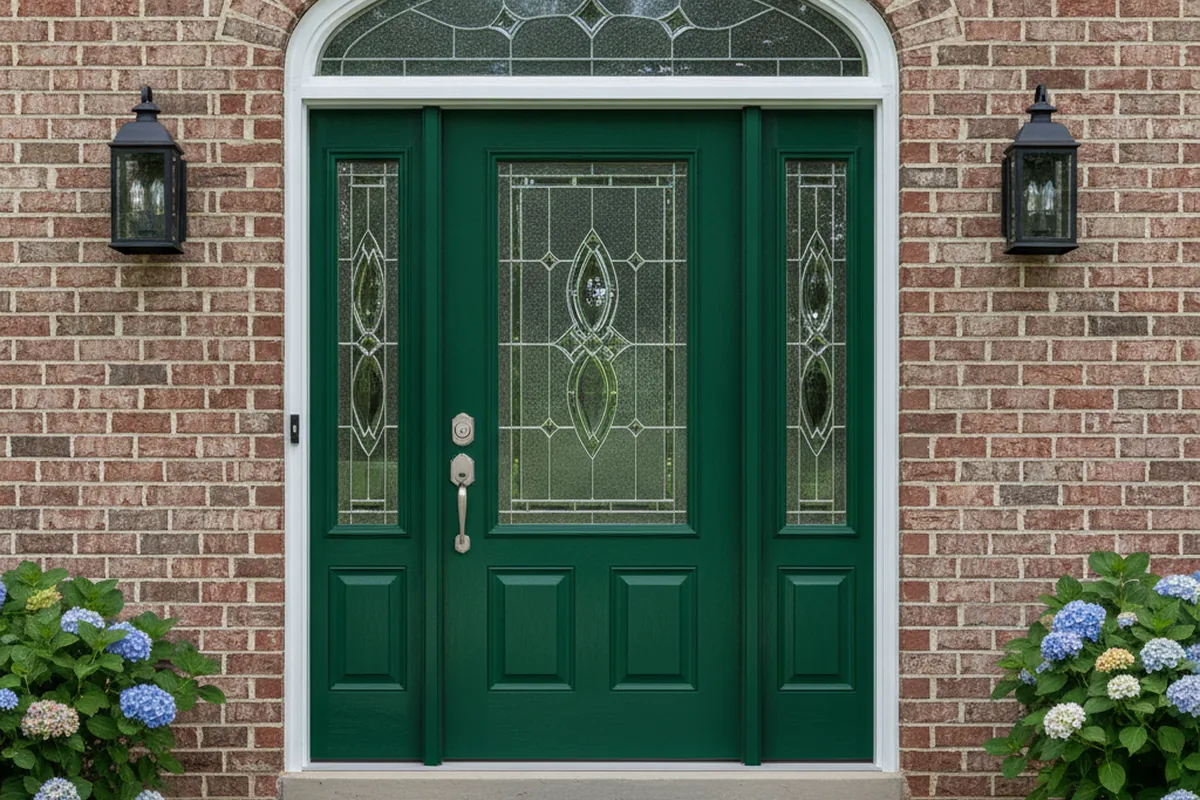
Entry & Front Doors
Your front door is the first thing guests see and your last line of defense against a Michigan winter—let's make it count.
Learn more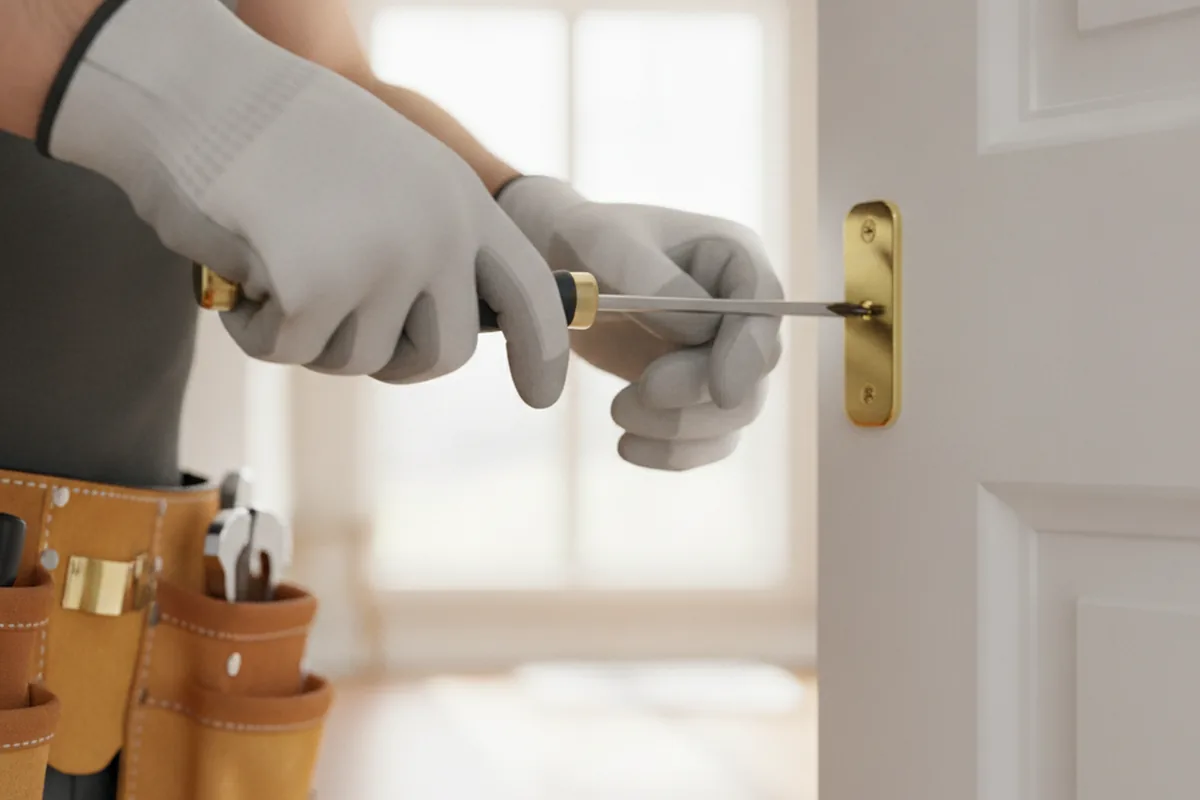
Door Repair
Sticking, drafty, or won't latch? We fix doors right the first time, with same-day service across Metro Detroit Sun–Thu whenever the schedule allows.
Learn more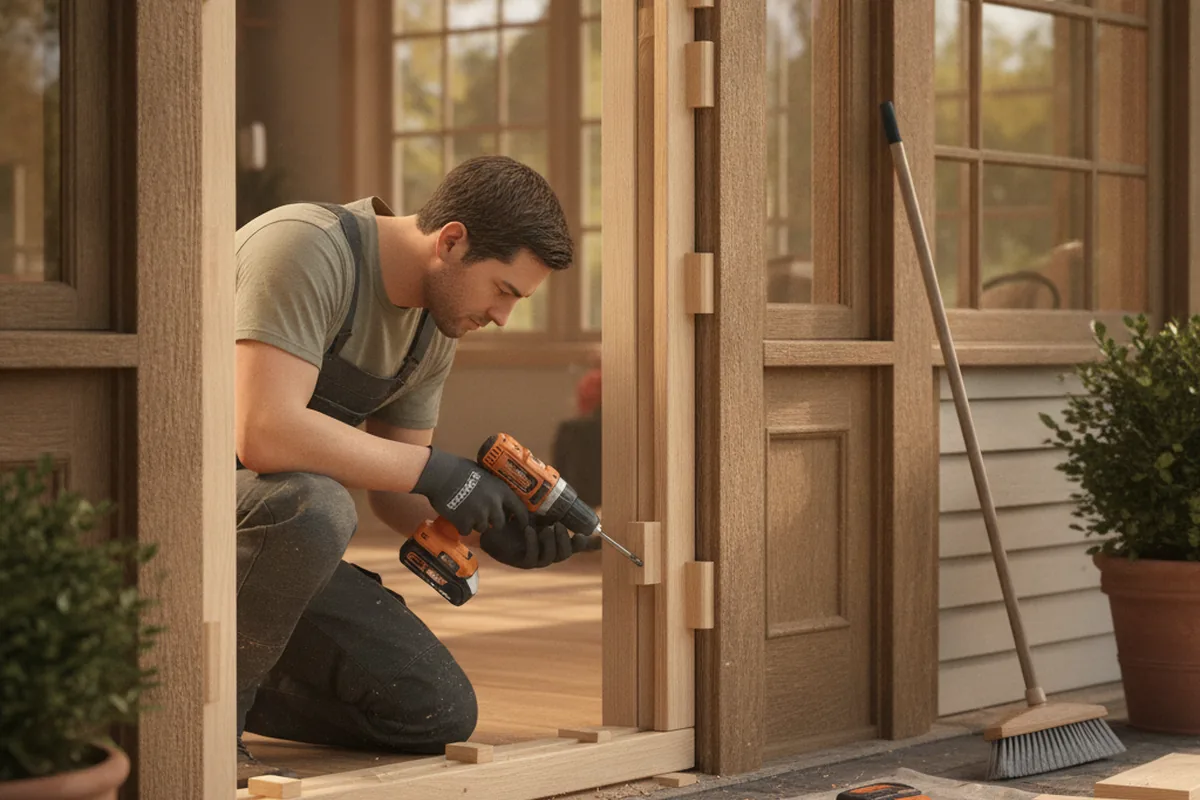
Door Frame & Jamb Repair
Split, rotted, or kicked in? We rebuild door frames and jambs solid and weathertight, with same-day service across Metro Detroit when the schedule allows.
Learn more
Locks & Hardware
Deadbolts that won't throw, wobbly handles, a lock that won't turn in the cold — we install, rekey, and repair door hardware right the first time, often the same day.
Learn moreHelpful next steps: All door services · Door installation cost · Areas we serve · See our work · Reviews & our promise · Door FAQs · Financing options · About BH Door Solutions
Want a straight answer on your own doors?
Talk to a local metro Detroit crew. We measure, check the frames, and tell you plainly what your doors need.